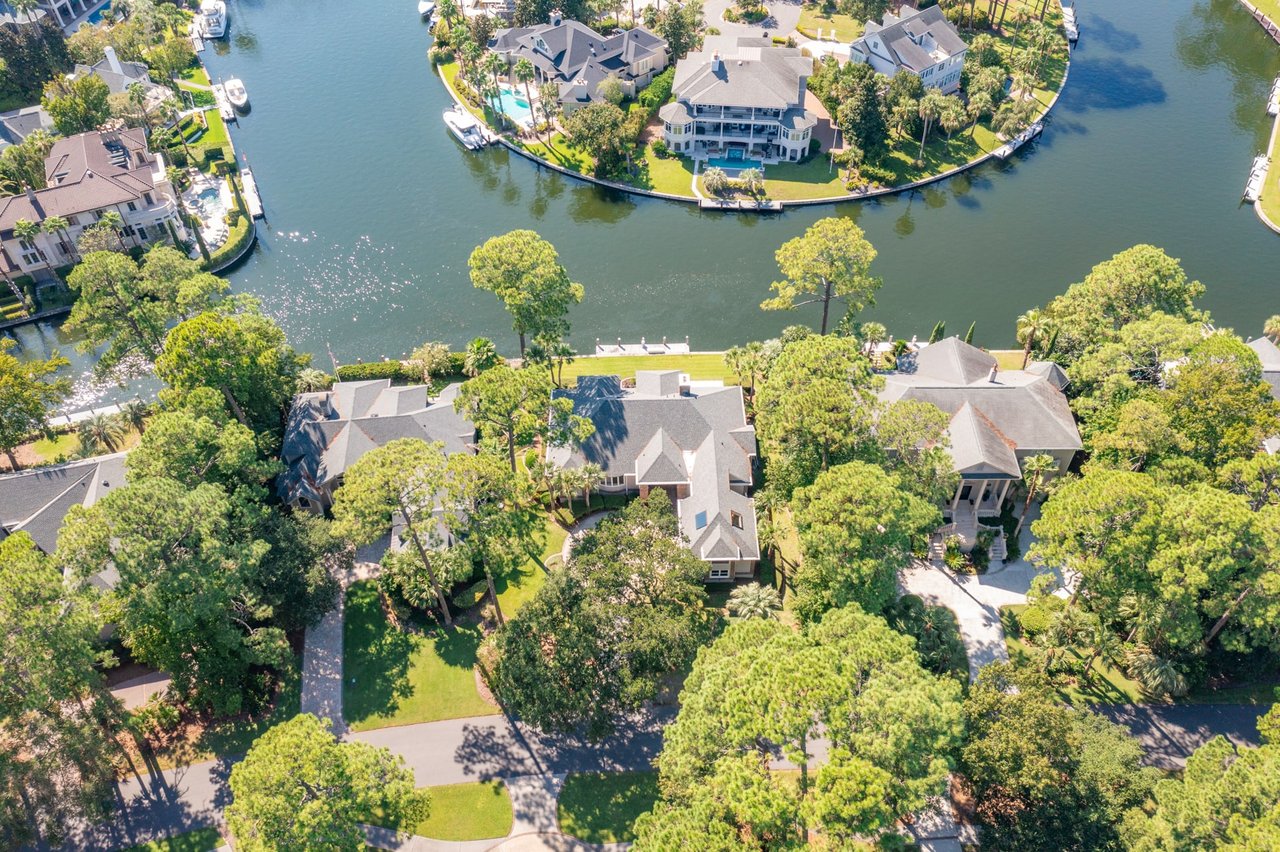
If you are torn between Bluffton and Hilton Head, you are not alone. Both offer a classic Lowcountry lifestyle, but they feel very different once you picture your daily routine, your home style, and how you want to spend your time. A smart choice comes down to fit, and this guide will help you compare the two so you can choose your best home base. Let’s dive in.
Bluffton vs. Hilton Head at a glance
Bluffton and Hilton Head are both in Beaufort County, but they function in distinct ways. Bluffton is a mainland river town centered around Old Town and the May River, while Hilton Head is a barrier island and planned resort community shaped by beaches, beach access, and master-planned neighborhoods.
If you want the shortest possible takeaway, here it is: Bluffton tends to suit buyers looking for a more local, day-to-day mainland rhythm, while Hilton Head tends to suit buyers who want an island lifestyle with stronger beach and resort influence. That difference shows up in everything from housing styles to traffic patterns.
Pace of life feels different
Bluffton offers a mainland town rhythm
Bluffton describes itself through its small-town history, the May River, artists, galleries, festivals, parades, and the Historic District. The Historic District remains a hub for businesses, shopping, and community gatherings, which gives Bluffton a grounded, year-round feel.
Its 2025 Census estimate is 36,807 residents, with 22.7% under age 18 and 24.6% age 65 and older. The average household size is 2.54, which points to a broader mix of households and a stronger primary-residence feel.
Hilton Head feels more island and resort oriented
Hilton Head’s planning materials describe the island as a residential-resort community. The town’s vision centers on balancing resident life with the tourism economy, which helps explain why the island often feels more shaped by beaches, visitors, and amenity-rich communities.
Demographically, Hilton Head has an older profile than Bluffton. About 39.2% of residents are 65 or older, 11.9% are under 18, and the average household size is 2.05. The island is also denser than Bluffton, with 910.7 people per square mile compared with 533.3 in Bluffton.
What this means for you
If you want a home base that feels more like an everyday town with a historic core, Bluffton may feel more natural. If you want a place where island living, beach time, and a resort atmosphere shape daily life, Hilton Head may be the better match.
Neither is better across the board. The better choice is the one that fits how you actually want to live.
Water lifestyle is not the same
Bluffton is built around the river
Bluffton’s water access is tied closely to the May River and nearby waterways. The town operates parks along the river, and residents can fish and boat from the Calhoun Street Dock.
The town also lists public docks at Oyster Factory Park, Calhoun Street Regional Dock, and Palmetto Bluff. If your idea of Lowcountry living includes boating, fishing, marsh views, and river access, Bluffton gives you that experience without requiring an oceanfront routine.
Hilton Head is centered on the beach
Hilton Head offers a much more beach-focused lifestyle. The town states that all of the beach is public from the ocean to the high-water mark, though access points are often private.
Its beach park system includes Alder Lane, Burkes, Coligny, Driessen, Fish Haul, Folly Field, and Islanders. The island’s beach management plan describes Hilton Head as a compound barrier island with a 13-mile beach, which helps explain why beachgoing is such a major part of the island’s identity.
Which outdoor routine fits you best?
A simple way to think about this is to picture your ideal Saturday. If you see yourself launching a boat, spending time on the river, or enjoying marsh scenery, Bluffton may be your speed.
If you picture beach walks, quick access to sand and surf, and a more vacation-like outdoor routine, Hilton Head likely checks more boxes. That lifestyle difference is one of the clearest dividing lines between the two markets.
Housing character and HOA expectations
Bluffton offers more variety in setting
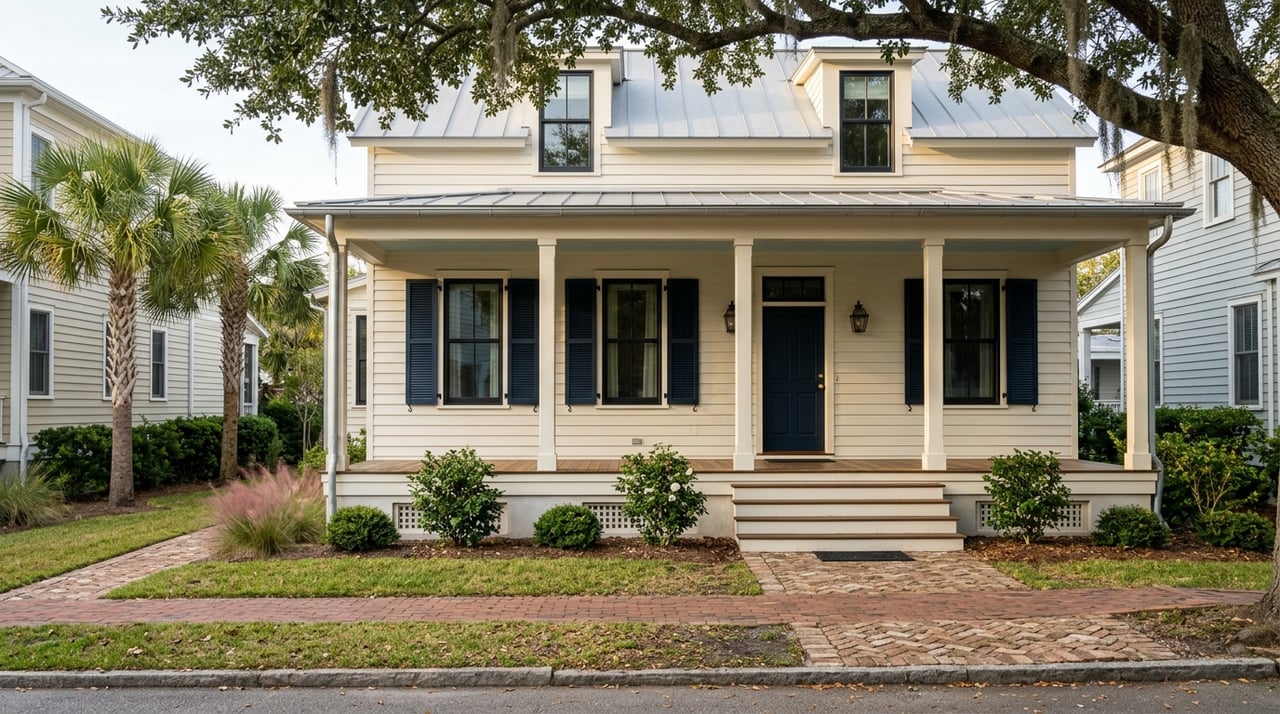
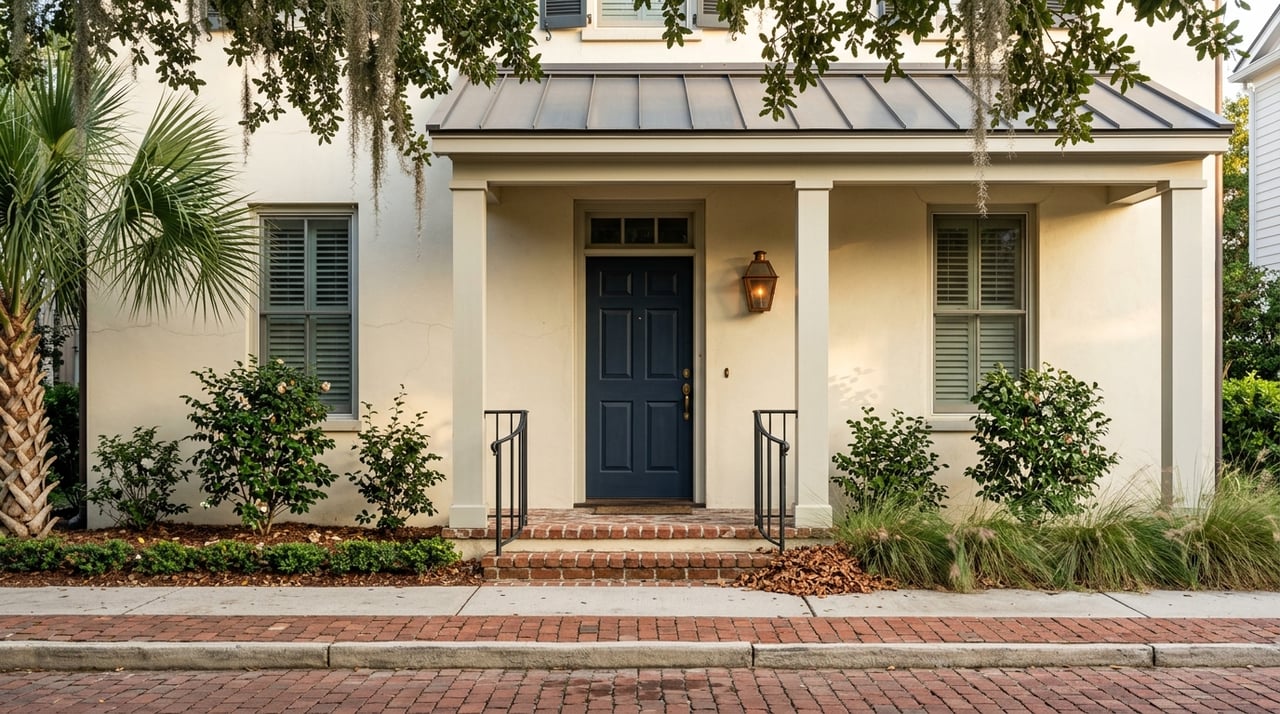
Bluffton’s older housing character is especially visible in Old Town. The town describes early homes there as climate-responsive and influenced by West Indies styles, often with clapboard siding, brick pier foundations, chimneys, and welcoming porches.
At the same time, modern Bluffton has grown heavily through planned development. The town reports that 92% of its land area is within a planned unit development, and its resident guide notes that most residents live in planned communities managed by POAs or HOAs.
There are also older areas, including the Historic District, Buck Island-Simmonsville, and Goethe Shults, that are maintained differently. That gives Bluffton a little more range if you want a planned community but also want to explore homes outside the most structured HOA settings.
Hilton Head leans more heavily into master planning
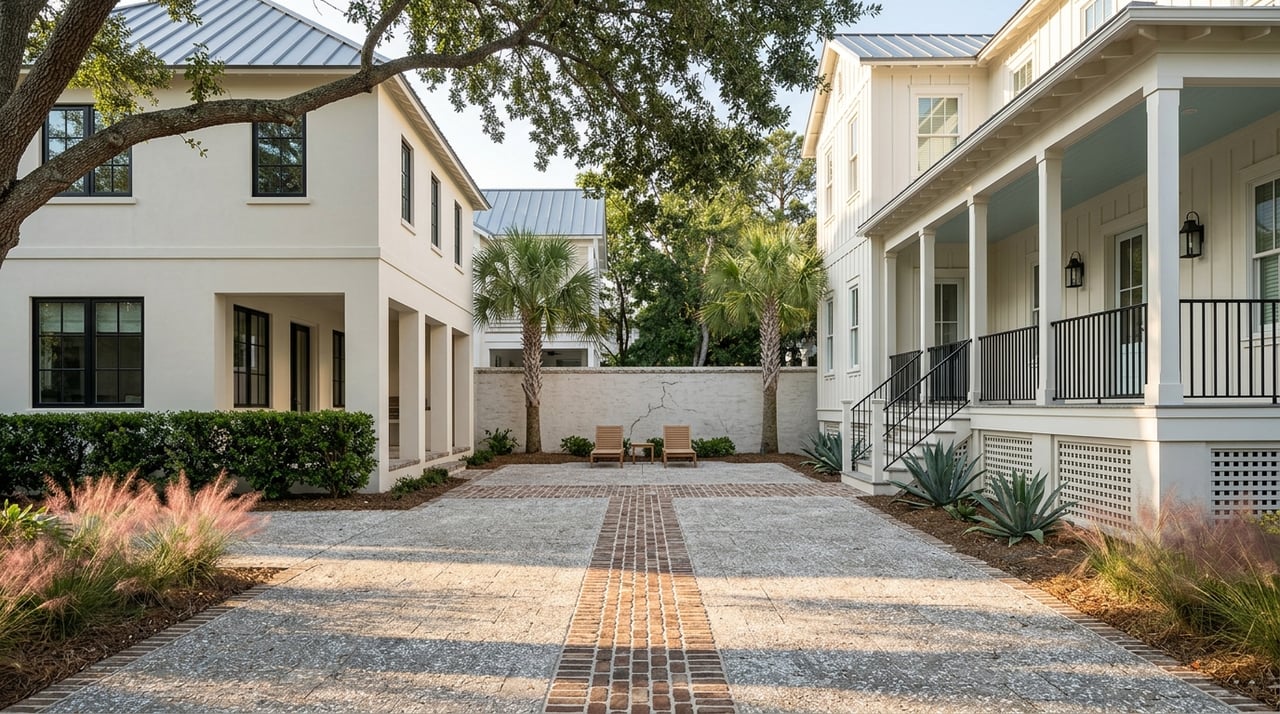
Hilton Head is also defined by planned development, and in many areas that influence is even more established. The town’s beach management plan says more than 70% of the island has been developed as master-planned communities or planned unit developments.
Beachfront examples named by the town include Sea Pines, Palmetto Dunes, Port Royal, and part of Shipyard. These communities reflect what the town calls a modern resort concept, which often means stronger amenity orientation and a more structured community framework.
Price points show a difference too
Owner-occupied housing values also point to a gap between the two markets. Hilton Head’s median value of owner-occupied housing units is $687,400, compared with $492,100 in Bluffton.
That does not mean every Hilton Head home costs more than every Bluffton home, of course. It does suggest that the island’s housing stock is generally priced higher, which aligns with its beach access, resort identity, and supply of amenity-driven communities.
Commuting and access matter more than many buyers expect
Bluffton may offer more mainland flexibility
If you expect to commute regularly or move around the wider region often, Bluffton’s location can be an advantage. Its mean travel time to work is 28.3 minutes, which reflects a more regional commuting pattern.
For many buyers, that mainland base can feel more flexible for day-to-day travel beyond a single island setting. This can matter if your routines include work travel, family logistics, or frequent trips around the broader Lowcountry.
Hilton Head depends on island corridors
Hilton Head is reached via US 278 over two toll-free bridges. The town identifies William Hilton Parkway and the Cross Island Parkway as the island’s primary roadways.
Its mean travel time to work is 18.5 minutes, but the bigger lifestyle point is that island access is more corridor-dependent. For some buyers, that is a non-issue because the island lifestyle is the goal. For others, it is an important practical detail.
Who typically fits each market?
Bluffton may be right for you if
Bluffton often makes sense if you want:
- A mainland home base with a more local, everyday rhythm
- A stronger year-round residential feel
- River and marsh access rather than a beach-first lifestyle
- More flexibility between planned communities and older areas
- A location that may feel easier for broader regional movement
Hilton Head may be right for you if
Hilton Head often makes sense if you want:
- An island lifestyle centered on beach access
- A residential-resort setting with strong lifestyle amenities
- A community environment shaped by master-planned development
- A home that feels well suited to a second-home or retirement goal
- Daily living that feels more vacation-inspired
How to make the final decision
When buyers compare Bluffton and Hilton Head, they often start with square footage or price. Those matter, but your best decision usually comes from thinking through your daily life first.
Ask yourself a few simple questions:
- Do you want river access or beach access?
- Do you prefer a mainland town feel or an island setting?
- Are you comfortable with HOA or POA structure, and how much of it do you want?
- Will this be a primary home, a second home, or an investment-oriented purchase?
- How important is regional commuting flexibility?
The right answer is rarely about which place is more popular. It is about which setting fits your pace, priorities, and long-term plans.
Choosing between Bluffton and Hilton Head is easier when you can compare neighborhoods, housing styles, and lifestyle tradeoffs side by side. If you want a clear, personalized view of what fits your goals, Kim McElman can help you narrow the options and find the right Lowcountry home base with confidence.
FAQs
What is the main lifestyle difference between Bluffton and Hilton Head?
- Bluffton offers more of a mainland river-town atmosphere centered on Old Town and the May River, while Hilton Head offers a more beach-oriented island lifestyle shaped by resort-style communities and beach access.
Is Bluffton or Hilton Head better for beach access?
- Hilton Head is the stronger fit if beach access is a top priority because the island includes a 13-mile beach and multiple beach parks, while Bluffton’s water lifestyle is more focused on the May River and surrounding waterways.
Are HOAs common in Bluffton and Hilton Head?
- Yes. HOAs and POAs are common in both markets, but Bluffton includes a mix of planned communities and some older areas maintained differently, while Hilton Head is more heavily defined by master-planned development.
Is Hilton Head generally more expensive than Bluffton?
- Based on owner-occupied housing values, Hilton Head is generally priced higher, with a median value of $687,400 compared with $492,100 in Bluffton.
Is Bluffton or Hilton Head better for a primary residence?
- Many buyers see Bluffton as a strong fit for a primary residence because of its more local, year-round feel, while Hilton Head often appeals to buyers seeking an island lifestyle, retirement home, or second-home setting.