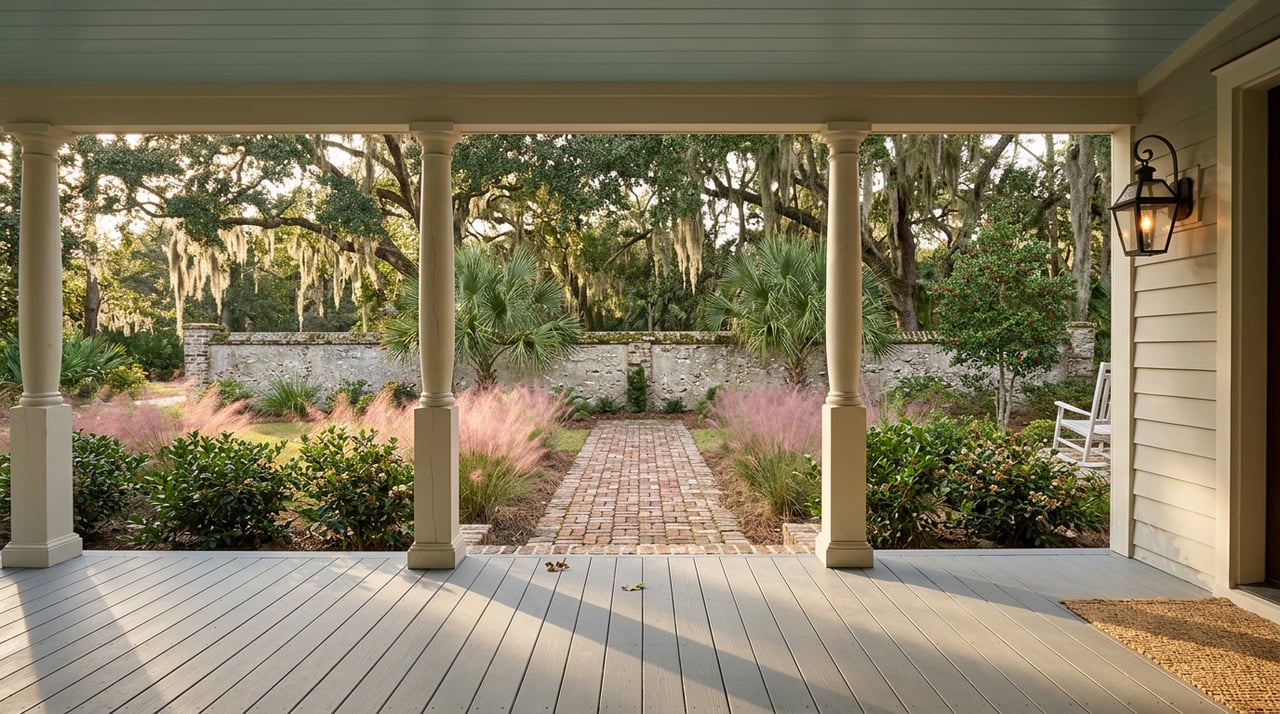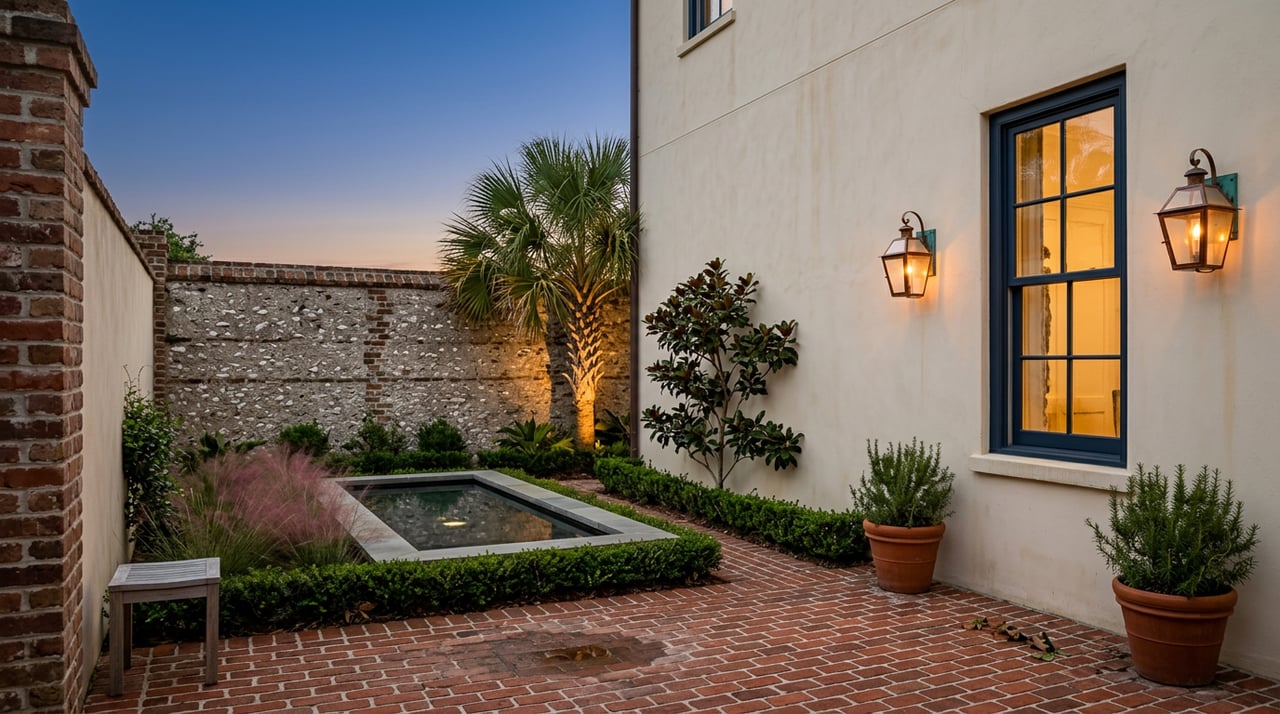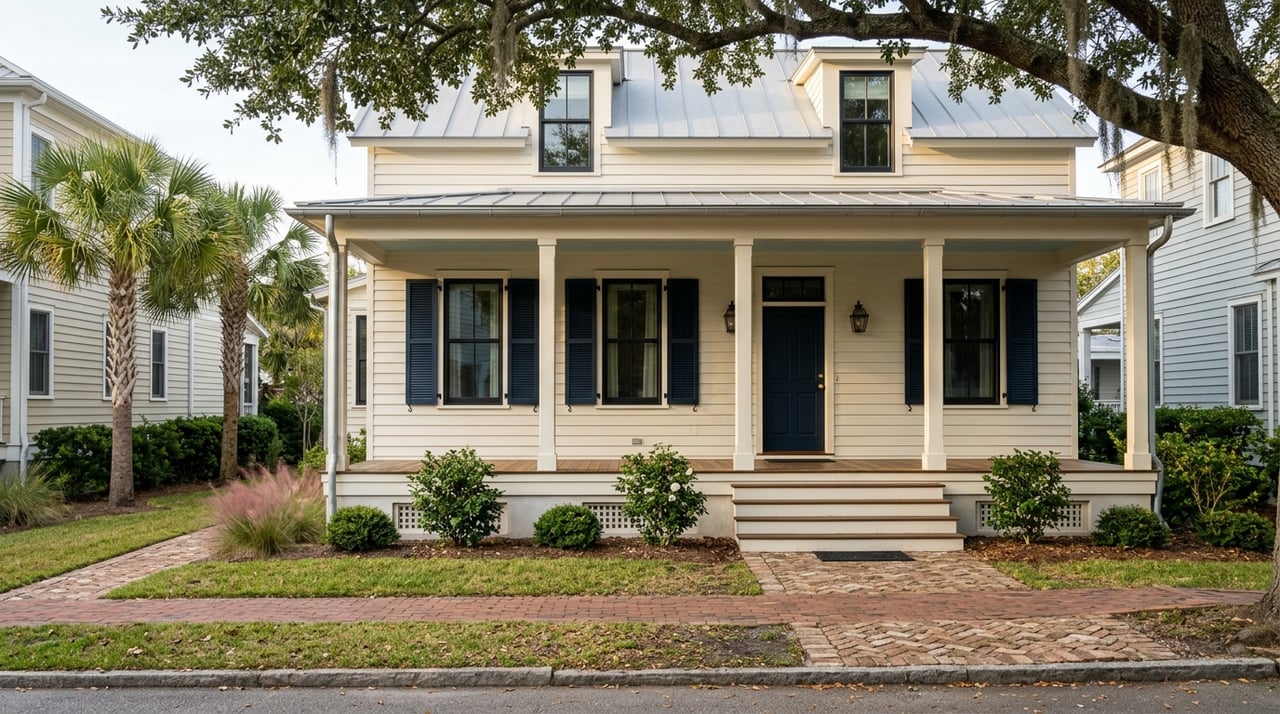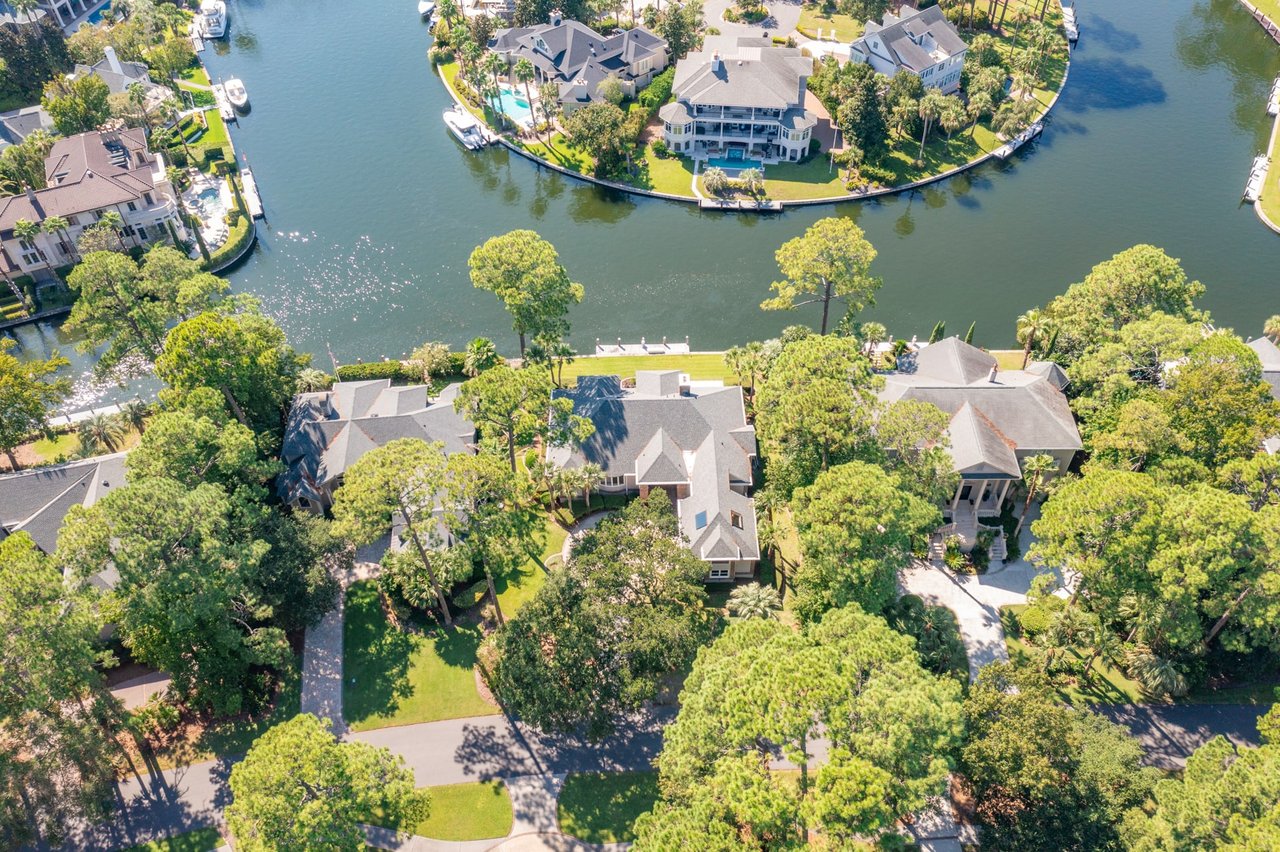
If you are torn between Savannah’s walkable historic core and its laid-back coastal islands, you are not alone. Many buyers love the idea of charming streets, riverfront energy, or easy beach access, but the right fit often comes down to how you want to live day to day. This guide will help you compare downtown Savannah with island living so you can focus your search with more confidence. Let’s dive in.
Savannah Lifestyle at a Glance
In simple terms, downtown Savannah and the nearby islands offer very different experiences. Downtown leans toward historic character, walkability, and a more urban feel. Island living can mean either a beach-town setting like Tybee Island or a more residential coastal setting like Wilmington Island or Skidaway Island.
That difference matters because your home search is not just about square footage. It is also about pace, convenience, setting, and how you want your weekends and weekdays to feel.
What Downtown Savannah Feels Like
Downtown Savannah stands apart because so much of it sits within a historic preservation environment. The City of Savannah says local historic districts use design standards and visual compatibility criteria, and many new construction projects or renovations go through review by preservation staff and city review boards.
For you as a buyer, that can be a big part of the appeal. Downtown offers a sense of place that is shaped by preserved architecture, public squares, and a street layout that feels different from a typical modern neighborhood.
Historic Character Shapes Daily Life
Savannah’s downtown identity is closely tied to its historic squares. The City notes that these public squares date back to Oglethorpe’s 1733 plan, and they still define how people move through and experience the area today.
Visit Savannah describes the Historic Landmark District as a place where preserved buildings and modern uses sit side by side. It also breaks the district into informal sections, including the North Historic District near River Street, the quieter South Historic District, and the MLK Boulevard corridor.
Walkability and Energy Are Big Draws
If you want to be close to restaurants, shops, galleries, and waterfront activity, downtown has a clear advantage. River Street alone includes more than 75 boutiques, galleries, artists’ studios, restaurants, and pubs in former cotton warehouses, according to Visit Savannah.
That helps explain why downtown often feels lively and amenity-rich. You may be able to do more on foot and spend less time driving for dining, entertainment, or everyday outings.
Downtown Comes With Unique Property Rules
Savannah’s downtown zoning and development standards are not the same as what you will find in many other areas. The City says downtown parking standards may be reduced or exempted, and some downtown structures may have no setback requirement.
That can work well if you value historic character and urban convenience over large yards or easy parking. It can be less ideal if your must-have list includes straightforward parking, wider lot layouts, or fewer design review requirements.
What Island Living Feels Like Near Savannah
Island living near Savannah is not one single lifestyle. Tybee Island offers a true beach-town environment, while Wilmington Island and Skidaway Island feel more residential and owner-occupied.
That means your best fit depends on whether you want sand and seasonal activity, or a quieter coastal neighborhood feel with a more residential housing pattern.
Tybee Island Offers a Beach-Town Setting
Tybee Island is the clearest option if your dream is to live near the beach. Visit Savannah describes Tybee as a barrier island with more than three miles of beaches.
Tybee also has its own rules and rhythms. The island’s official FAQ says dogs are not allowed on the beaches, there is no free parking, open containers are allowed on the beach, and spring and summer bring larger crowds while fall and winter are less crowded.
For some buyers, that sounds fun and full of energy. For others, the seasonal traffic and visitor activity may feel like a tradeoff.
Wilmington and Skidaway Feel More Residential
If you want a coastal setting without the stronger beach-town tourism feel, Wilmington Island and Skidaway Island may be more aligned with your goals. Census QuickFacts show owner-occupied housing rates of 77.0% on Wilmington Island and 92.2% on Skidaway Island.
By comparison, Savannah’s owner-occupied housing rate is 45.4%. That data points to a much more owner-occupied and residential housing pattern on these islands than in Savannah overall.
Comparing the Commute and Connectivity
One of the biggest practical differences between downtown and the islands is how you move around. Downtown can support a more walkable daily routine, while island living is more dependent on major roads, bridges, and drive times.
That does not automatically make one better than the other. It simply means convenience looks different depending on where you buy.
Travel Times Tend to Be Shorter in Savannah
Census data shows a mean travel time to work of 20.7 minutes in Savannah city. On Wilmington Island, the mean travel time is 28.3 minutes, and on Skidaway Island it is 27.3 minutes.
These numbers are broad and do not replace a test drive from a specific property. Still, they suggest that island living often means a longer trip to major job centers and services than living in Savannah itself.
Island Access Depends on Key Corridors
The City of Savannah’s flood protection information highlights an important reality for island travel. Common routes between downtown and the islands include Bay Street, East Broad, Wheaton, Ash, Anderson, Truman Parkway, Victory Drive, and U.S. 80 East.
For you, that means island access relies on a limited set of major corridors. If daily driving convenience is high on your list, this is worth weighing carefully when comparing options.
Non-Car Connectivity Is Growing
Savannah is also expanding transportation options beyond driving. The City says Tide to Town is a protected network that will connect Savannah and Chatham County, with the core route expected to exceed 30 miles and a 7-mile continuous stretch along Truman Parkway planned once current work is finished.
That may be especially appealing if you value biking, walking, or recreational access as part of your lifestyle.
Housing Patterns and Buyer Priorities
Your decision may also come down to what kind of property you want and how you plan to use it. Downtown and the islands support different housing patterns, price points, and lifestyle priorities.
Looking at the numbers can help you frame where your goals may fit best.
Savannah Has a More Mixed Housing Profile
Census data shows Savannah has a median value of owner-occupied housing units of $248,900, a median household income of $57,137, and an owner-occupied housing rate of 45.4%. That points to a more mixed renter-owner profile and a broader urban housing mix.
If you are drawn to condos, historic residences, or a home base near the city’s activity, that mixed profile may feel more aligned with your search.
The Islands Skew More Owner-Occupied
Wilmington Island shows a median owner-occupied home value of $404,900 and a median household income of $93,924. Skidaway Island has a median household income of $136,156 and an owner-occupied housing rate of 92.2%.
Those figures reinforce the idea that these islands lean more heavily toward established residential living. Buyers who want a more traditional coastal neighborhood setting may find that appealing.
Flood and Property Review Matter in Coastal Searches
In any coastal market, it is wise to look beyond the photos and location. Flood zone, elevation, and insurance details can be especially important for waterfront, island, and other low-lying properties.
The City of Savannah says its Flood Hazard Mitigation Plan is part of an annual process that can reduce flood insurance premiums by 25% for Savannah homeowners insured through the NFIP. The City also directs buyers to review flood determinations and elevation certificates.
That does not mean every property carries the same level of risk or cost. It does mean careful due diligence is a key part of making a smart purchase in the Savannah area.
Which Savannah Lifestyle Fits You Best?
If you are choosing between downtown and island living, a simple framework can help. Downtown Savannah often makes the most sense if you want historic charm, walkability, riverfront access, and an urban pace.
Tybee Island may be the better fit if you want a true beach-town atmosphere and are comfortable with seasonal crowds and beach-area rules. Wilmington Island and Skidaway Island may suit you best if you want a more residential coastal setting with a stronger owner-occupied feel.
The right answer is not the same for every buyer. It comes down to which setting matches your routine, your priorities, and the way you want to enjoy Savannah over the long term.
If you want help narrowing your search and comparing the lifestyle tradeoffs property by property, Kim McElman offers thoughtful, hands-on guidance across Savannah and nearby coastal markets.
FAQs
What is the difference between downtown Savannah and Tybee Island living?
- Downtown Savannah offers historic walkability, riverfront activity, and a more urban setting, while Tybee Island offers a beach-town lifestyle with more than three miles of beaches and stronger seasonal visitor patterns.
Is downtown Savannah more walkable than the islands?
- In general, yes. Downtown Savannah has a more concentrated mix of shops, restaurants, galleries, and public spaces, while island living usually depends more on driving and major access roads.
Are Wilmington Island and Skidaway Island similar to Tybee Island?
- Not exactly. Wilmington Island and Skidaway Island are more residential in character, while Tybee Island has a stronger beach-town and visitor-oriented feel.
Does island living near Savannah usually mean a longer commute?
- Census data suggests yes. Mean travel times are 27.3 minutes on Skidaway Island and 28.3 minutes on Wilmington Island, compared with 20.7 minutes in Savannah city.
What should buyers review when purchasing coastal property in Savannah?
- Buyers should pay close attention to flood determinations, elevation information, insurance considerations, and any location-specific access or property-use factors during their search.