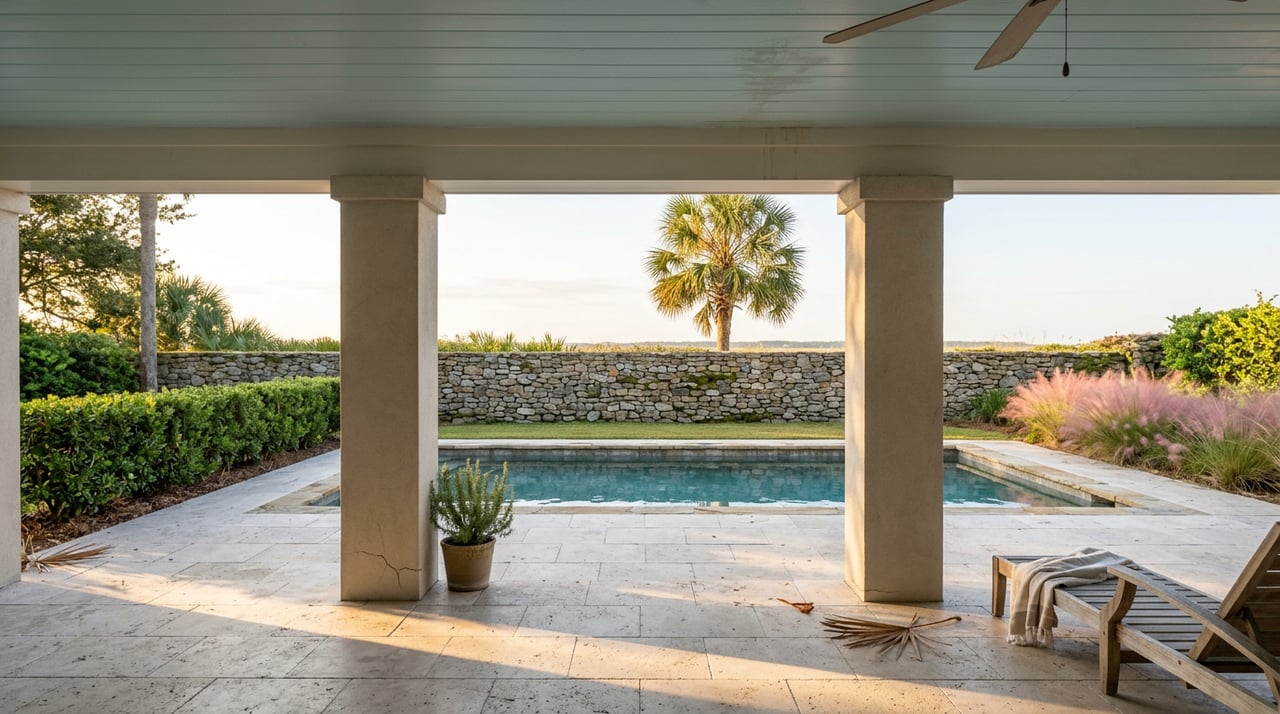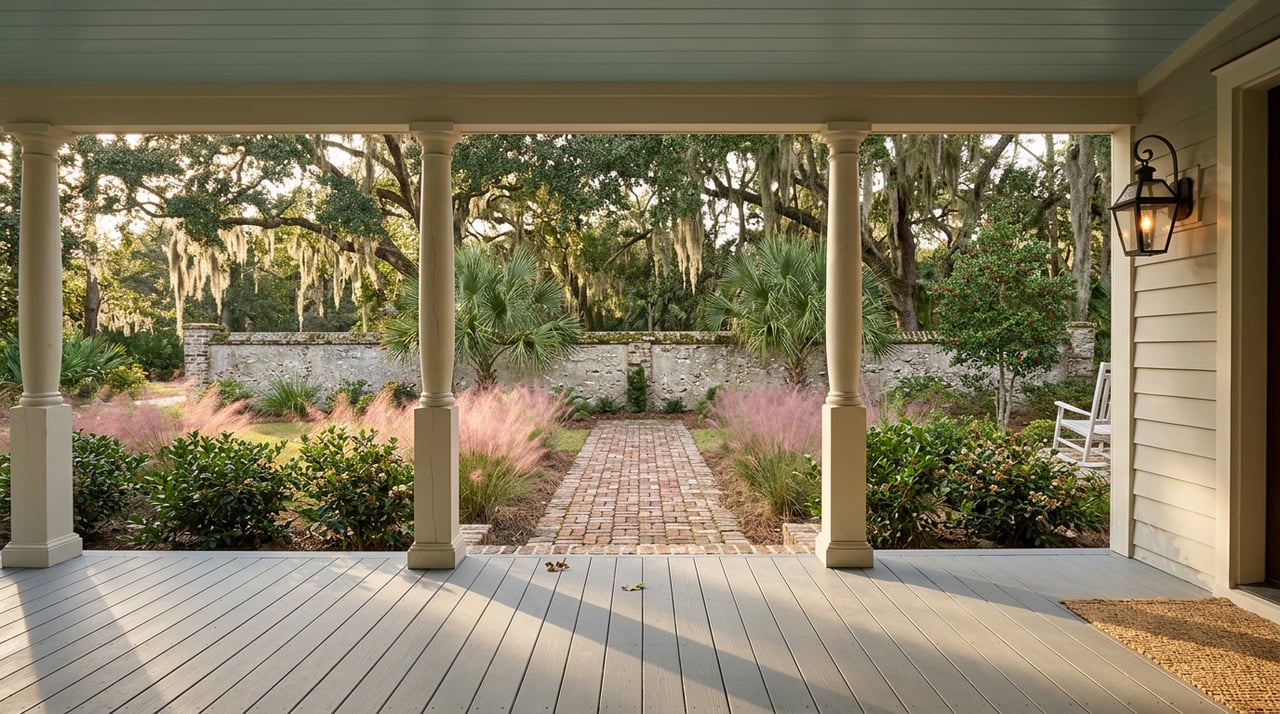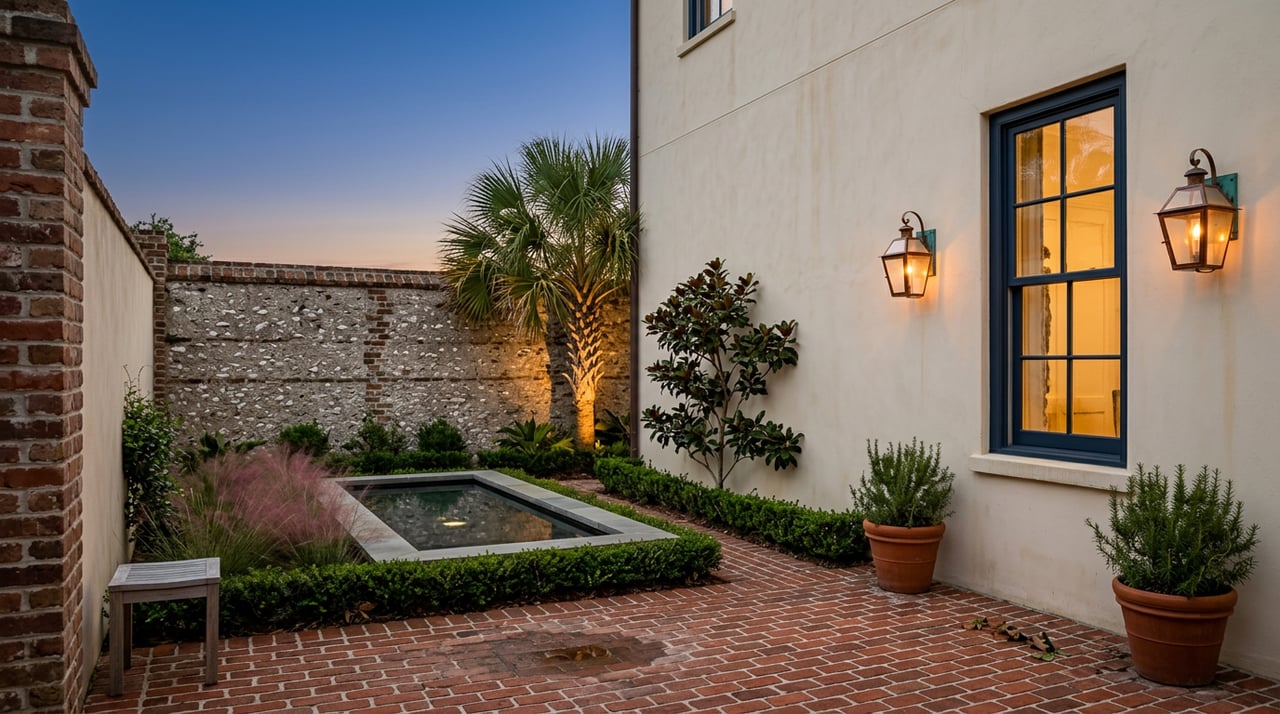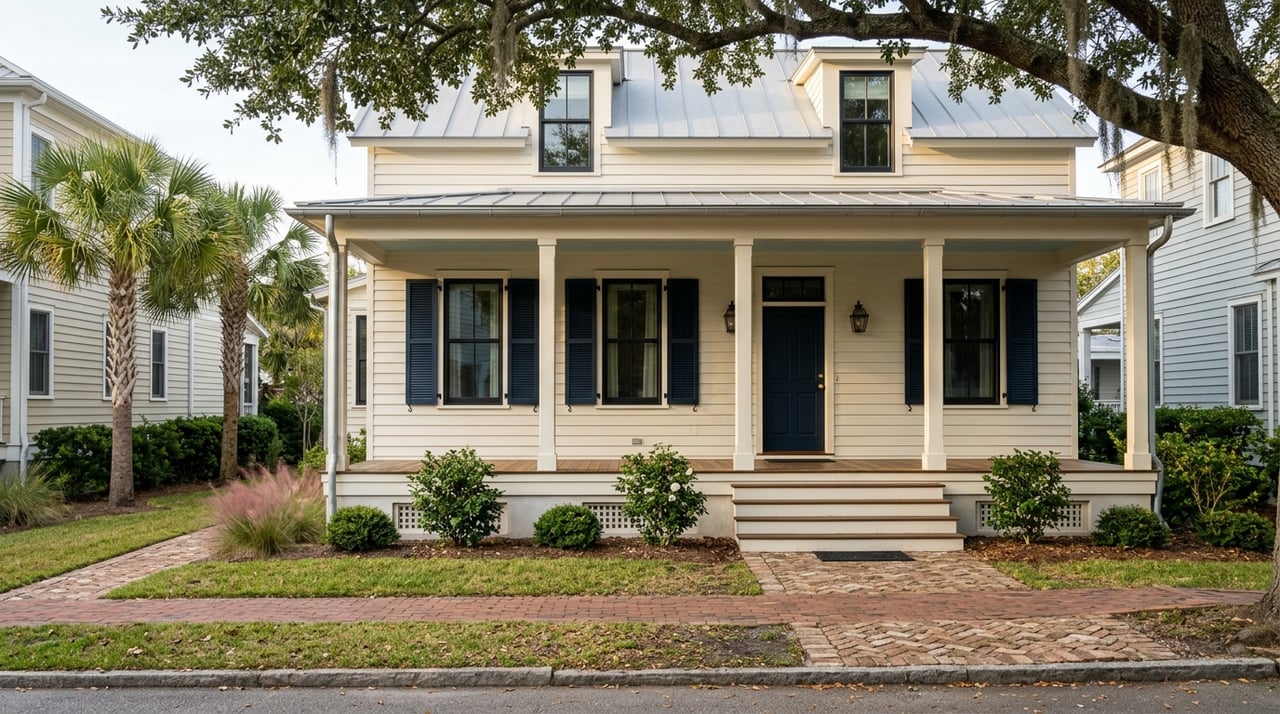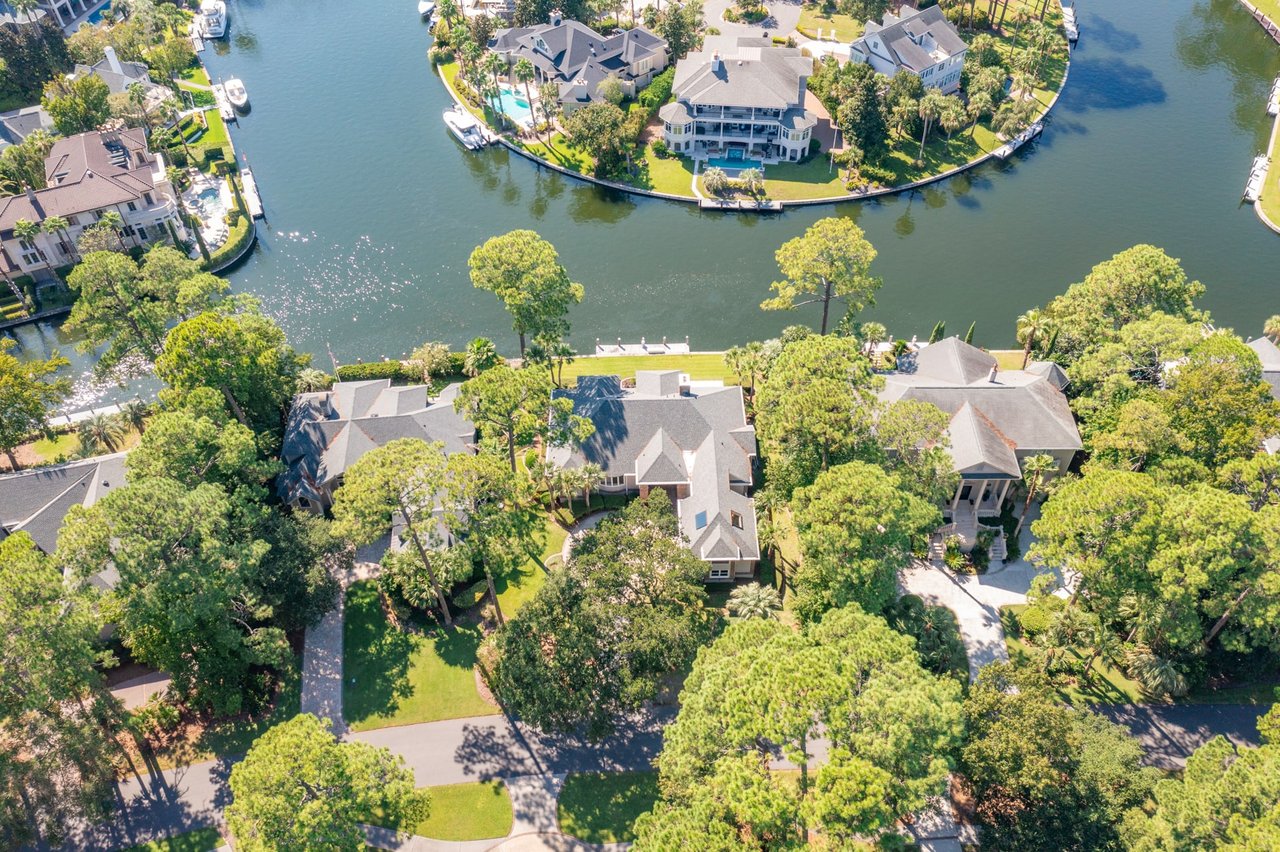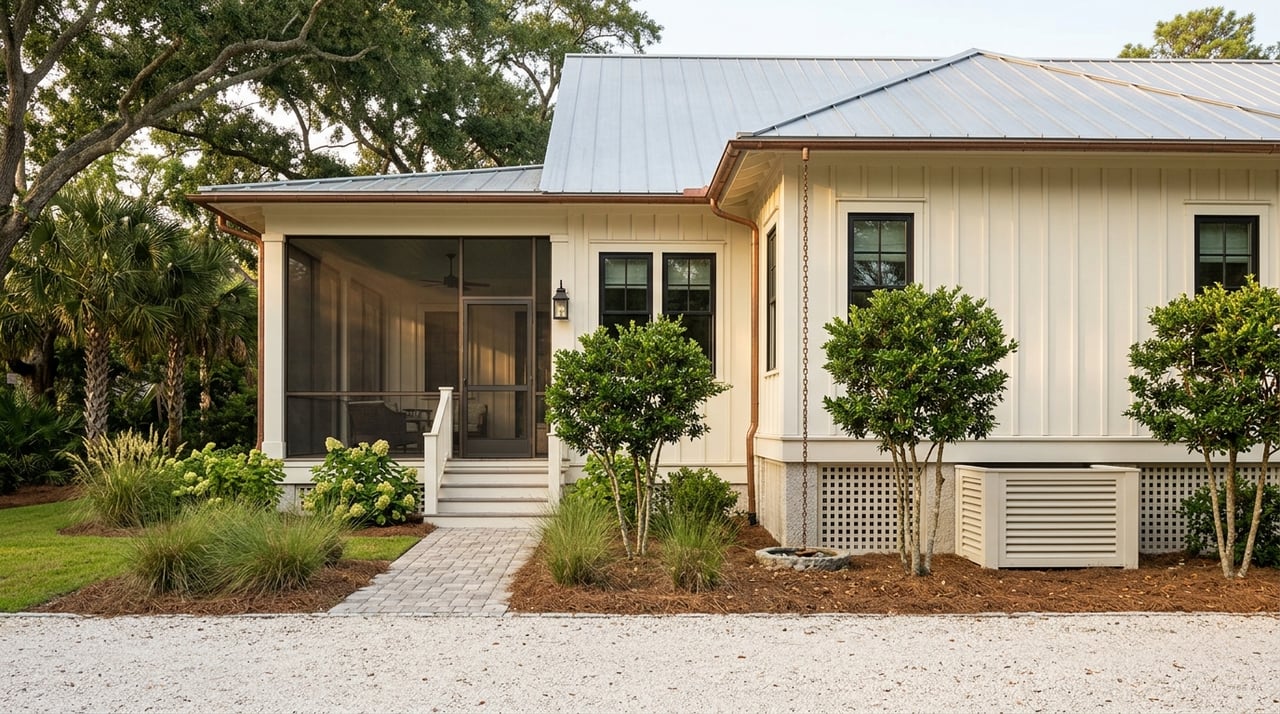
Dreaming about a place where you can spend part of the year near historic streets, waterfront views, and easy beach days? Buying a second home in Charleston can be exciting, but it also comes with a different set of questions than buying a primary residence. If you are thinking about a part-time home here, this guide will help you weigh location, taxes, insurance, maintenance, and rental rules so you can make a smart, confident decision. Let’s dive in.
Why Charleston draws second-home buyers
Charleston stands out because you do not have to choose between a city setting and coastal access. The historic district offers an urban home base, while public beach access is available at Isle of Palms, Kiawah Island, Sullivan’s Island, and Folly Beach. According to the Charleston Area CVB, those beaches sit roughly 9 to 27 miles from the historic district, which gives you flexibility in how you want to use your home.
For many buyers, that mix is the appeal. You can spend one weekend enjoying restaurants, architecture, and cultural attractions, then spend the next near the water without leaving the metro area. That kind of city-plus-coast lifestyle is a key reason Charleston often lands on second-home short lists.
Best Charleston areas to consider
Choosing the right area starts with how you want to live when you are in town. In Charleston, your location affects not only lifestyle but also flood exposure, access, and possibly rental options.
Downtown Charleston
If you want a more urban second-home experience, the downtown peninsula may be a strong fit. This is Charleston’s historic core, known for walkable streets, dining, and cultural attractions. It can be especially appealing if you want a lock-and-leave city base with character and convenience.
That said, downtown buyers should pay close attention to flood exposure and short-term rental rules. The research makes clear that these issues deserve extra attention in this part of the market. If downtown is on your list, it helps to evaluate each address carefully before you fall in love with the charm alone.
Beach communities
If your goal is direct coastal use, the beach communities deserve a close look. Public beach access exists at Isle of Palms, Kiawah Island, Sullivan’s Island, and Folly Beach, while Seabrook Island is private for residents and guests. Kiawah’s public access is limited to Beachwalker Park, so exact location matters when comparing properties.
This is where lifestyle fit becomes very specific. Some buyers want to be able to head straight to the beach with minimal planning, while others are happy with a short drive in exchange for a different home setting. The more clearly you define your routine, the easier it becomes to narrow the search.
Mount Pleasant and bridge-close areas
Mount Pleasant can offer a middle ground between downtown and the coast. Charleston CVB describes it as sitting between historic downtown Charleston and area beaches, and highlights harbor-side areas such as the Old Village. For second-home buyers, that often translates into easier access to both city amenities and coastal recreation.
If you want flexibility more than a pure downtown or pure beach experience, this kind of location can make a lot of sense. It may be especially appealing if you expect to split your time between dining, boating, beach outings, and everyday convenience.
Understand second-home taxes first
One of the biggest surprises for second-home buyers is often property taxes. In South Carolina, property tax is driven by appraised value, assessment ratio, and millage. The South Carolina Department of Revenue and the state property-tax FAQ indicate that a second home or vacation home is taxed at a 6% assessment ratio, while owner-occupied real property is taxed at 4%.
That difference can materially change your carrying costs. Before you make an offer, it is worth estimating the tax bill based on the property’s likely classification rather than assuming it will look like a primary residence. In a market like Charleston, that step can help you avoid budget surprises later.
Know how rentals can change the math
If you plan to rent the property for part of the year, the tax and use picture gets more complicated. The South Carolina Department of Revenue notes that a residence rented for more than 72 days in the tax year is disqualified from 4% treatment in that context, and Charleston’s accommodations-tax guidance says the rules depend on whether the home is primary or secondary and how many days it is rented.
This matters because many buyers like the idea of occasional rental income, but not every home fits that plan the same way. Your intended use should be clear early, since it may affect taxes, financing, insurance, and permit requirements. In Charleston, casual assumptions can get expensive.
Verify short-term rental rules by address
Charleston is a market where you should verify rental rules before you write an offer, not after. The City of Charleston says its short-term rental ordinance applies citywide, defines a short-term rental as fewer than 30 consecutive days, and requires both a permit and a business license for any rental of the home. The city also states that the owner remains responsible for tax collection even if a property manager is involved.
Charleston County has separate rules for unincorporated areas. County materials say short-term rental permits are also capped at 29 consecutive days, with Limited Home Rental and Extended Home Rental categories allowing up to 72 and 144 rental days respectively. Charleston County also notes that its zoning ordinance applies only to unincorporated properties, so you need to confirm the jurisdiction for any property you are considering.
This is one of the clearest reasons local guidance matters. A home’s street address can shape what is possible, and the rules are not interchangeable between city limits and unincorporated county areas.
Budget for accommodation taxes too
If you rent your second home, rental taxes can add up quickly. South Carolina’s Department of Revenue says accommodations are subject to a 7% state tax, plus any applicable local sales tax, and municipalities and counties may impose up to a 3% local accommodations tax. The City of Charleston states that for city properties in Charleston County, total taxes on accommodations reach 14%.
The city also warns that some online marketplaces do not collect the local accommodations tax on the owner’s behalf. That means you should not assume every platform handles everything for you. If rental use is part of your plan, this is an area to review carefully before closing.
Prepare for flood and coastal insurance
Insurance deserves early attention in Charleston. The City of Charleston says all properties in the city are in a flood zone, though not all are in the FEMA Special Flood Hazard Area, and NFIP flood insurance is available for most city properties. That alone makes flood review a standard part of second-home due diligence.
South Carolina’s Department of Insurance adds that coastal owners may need more than one policy, such as homeowners coverage with wind, wind-and-hail coverage, and flood coverage. In practical terms, that means your insurance budget may be more layered than it would be in an inland market. Getting quotes early can help you compare homes more accurately.
Plan for weather and maintenance
Charleston sits in the Atlantic hurricane belt, and the official hurricane season runs from June 1 through November 30. Coastal hazards can include hurricane winds, storm surge, wave and debris impact, and long-term erosion. For a second-home owner, that usually means more planning before storm season and more routine oversight when you are away.
Humidity also matters. Clemson Extension notes that mold needs moisture to grow and that keeping indoor humidity between 30% and 60% lowers the likelihood of mold growth. If you will leave your home vacant for stretches of time, a smart maintenance plan is not optional. It is part of protecting the property.
A practical checklist may include:
- Regular HVAC servicing
- Humidity monitoring
- Storm prep before hurricane season
- Routine exterior checks after major weather
- A local contact for urgent property issues when you are out of town
Match financing to your actual use
Your financing path should match how you really plan to use the property. Fannie Mae’s second-home criteria require a one-unit property that you occupy for part of the year, that is suitable for year-round occupancy, under your exclusive control, and not a rental property or timeshare.
If you expect frequent rental use or manager-controlled occupancy, that may point away from true second-home financing and toward investment-property underwriting. This is another reason to be honest about your goals from the start. The right loan structure depends on the real use case, not just the label you prefer.
You should also budget for the full carrying cost picture. That includes property taxes, homeowners and other insurance, water, utilities, and ongoing upkeep. In a coastal market, those line items are part of the buying decision, not just the ownership phase.
Charleston compared with other coastal options
Charleston often appeals to buyers who want more than a resort setting. Compared with other Southeastern coastal markets, it tends to offer a stronger blend of historic city life and beach access. That gives it a different feel than destinations known mainly for island living, beach-town pace, or entertainment-heavy tourism.
If you want a second home that can serve as both a cultural getaway and a coastal retreat, Charleston may feel especially compelling. That flexibility is a big part of its long-term appeal for part-time owners.
What to do before you buy
The best Charleston second-home purchases usually begin with a clear plan. Before you move forward, it helps to sort out your top priorities and verify the rules tied to the exact property.
Start with these steps:
- Define your main use: personal enjoyment, occasional rental, or a mix.
- Narrow your search by lifestyle: downtown, beach, or bridge-close convenience.
- Estimate taxes using second-home classification, not primary-home assumptions.
- Get insurance quotes early, including flood and wind-related coverage.
- Confirm whether the property is in city limits or unincorporated county area.
- Verify short-term rental eligibility and permit requirements before offering.
- Build a realistic maintenance plan for vacancy, humidity, and storm prep.
Buying a second home in Charleston can be incredibly rewarding when the property fits both your lifestyle and your ownership plan. The key is looking beyond the listing photos and making sure the numbers, rules, and day-to-day realities all support the experience you want.
If you want thoughtful guidance as you compare Charleston opportunities and weigh how each home fits your lifestyle goals, Kim McElman would be glad to help.
FAQs
What makes Charleston appealing for a second home?
- Charleston offers a mix of historic city living and nearby beach access, with public beach options including Isle of Palms, Kiawah Island, Sullivan’s Island, and Folly Beach.
How are Charleston second homes taxed in South Carolina?
- A second home or vacation home in South Carolina is generally taxed at a 6% assessment ratio, while owner-occupied primary residences are taxed at 4%.
Do Charleston short-term rental rules vary by property location?
- Yes. Rules differ between the City of Charleston and Charleston County unincorporated areas, so you should verify the exact jurisdiction for any property you are considering.
What insurance should you expect for a Charleston second home?
- Depending on the property, you may need homeowners coverage, wind or wind-and-hail coverage, and flood insurance.
What should you budget for when buying a second home in Charleston?
- You should plan for property taxes, insurance, utilities, water, maintenance, and any added costs tied to rental use or storm preparation.