Looking for a coastal town that feels charming, lived-in, and a little more relaxed than the bigger-name Lowcountry markets? Beaufort offers that rare mix of waterfront beauty, historic character, and everyday ease that draws in buyers who want more than just a vacation backdrop. If you are wondering what it is really like to live in Beaufort, this guide will help you understand the town’s pace, housing character, and how it compares with nearby coastal options. Let’s dive in.
Why Beaufort Feels Different
Beaufort sits on Port Royal Island in the Sea Islands of South Carolina, where marsh views, waterways, and historic streets shape daily life. Founded in 1711, it is the second-oldest town in South Carolina, and its original downtown includes a 304-acre historic district listed on the National Register of Historic Places and designated a National Historic Landmark.
That history matters because it gives Beaufort a very specific feel. Instead of reading like a large metro or a polished resort town, Beaufort feels compact, layered, and rooted in place. With an estimated city population of 15,775 in July 2025, it offers a smaller-scale coastal lifestyle that many buyers find appealing.
Waterfront Living Without the Resort Feel
One of Beaufort’s biggest draws is how connected it feels to the water. Downtown centers around Henry C. Chambers Waterfront Park, which faces the Beaufort River and the Woods Memorial Bridge. The park also serves as a setting for festivals, concerts, weddings, and community events, giving the waterfront an active role in everyday life.
You also have the downtown marina on the Atlantic Intracoastal Waterway, which adds to the town’s working waterfront character. This is part of why Beaufort appeals to buyers who want coastal scenery and boating access without the more resort-driven atmosphere found in some nearby markets.
Beach access is nearby, but Beaufort is not a front-door beachfront town. Hunting Island State Park is about 16 miles east of historic downtown, Harbor Island is about 15 miles outside the city, and St. Helena Island is just 5 miles east of Beaufort. For many buyers, that balance is a plus because you can enjoy the coast without living in a beach-centered environment every day.
Walkability and Daily Lifestyle
If walkability matters to you, Beaufort has a strong case. The city describes its Cultural District as a walkable section of downtown filled with arts and cultural venues, businesses, and events. That makes it easier to picture a lifestyle where you can enjoy waterfront views, local shops, and cultural stops in the same outing.
The city has also continued investing in pedestrian-friendly features like sidewalks, bike paths, landscaping, and street lighting. Public Works maintains sidewalks and continues adding new ones, which supports a more connected daily experience.
Outdoor access is another major part of life here. Beaufort is closely associated with boating, kayaking, fishing, biking, hiking, birding, parks, beaches, and tours. The Spanish Moss Trail adds even more appeal, and in early 2026 a new downtown connector formally linked the trail to historic Bay Street. The city said the trail already sees more than 100,000 users each year.
Arts, Culture, and Community Rhythm
Beaufort offers more than scenic views. Its Cultural District and broader arts scene add texture to everyday living, with galleries and craft shops found in Downtown Beaufort, the Old Village of Port Royal, and St. Helena Island.
Visit Beaufort highlights local authors, storytellers, painters, weavers, sculptors, and jewelry artisans as part of the area’s creative identity. For buyers considering a move, that points to a town with a strong sense of local expression rather than a place built only around tourism.
That community rhythm is important. Beaufort certainly attracts visitors, but the city’s parks, marina, public works responsibilities, and ongoing infrastructure projects reflect a functioning year-round municipality. In practical terms, it feels more like a real hometown with visitor appeal than a purely seasonal market.
What Homes in Beaufort Are Like
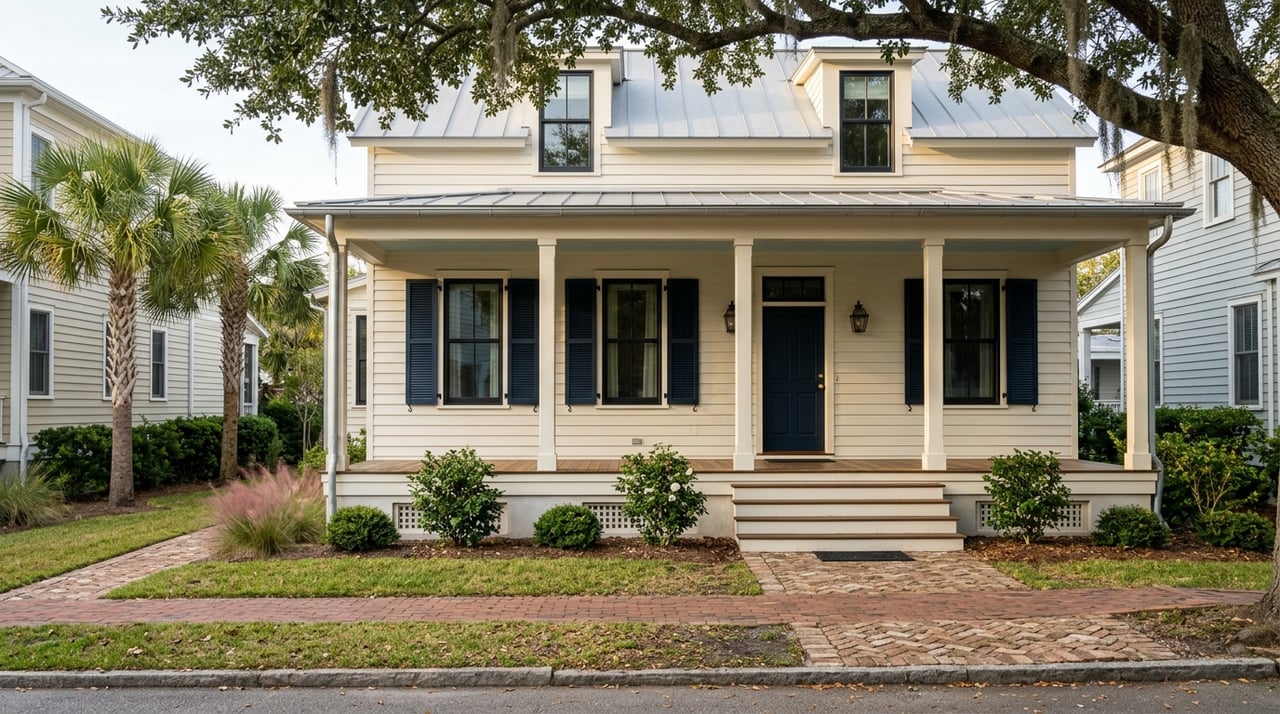
Beaufort’s housing story is closely tied to preservation. In the historic district, additions, demolitions, new construction, renovations, and site work require a certificate of appropriateness through the Historic District Review Board. If you are drawn to older homes and historic settings, this is important to understand early in your search.
The city’s preservation materials describe a lively mix of architecture from different periods, including early-1700s styles and later Beaufort Federal, Greek Revival, Queen Anne, and Bungalow influences. For buyers, that often translates to more character homes, porches, and older streetscapes than you may find in newer suburban-style markets.
This kind of housing can be deeply appealing, especially if you value charm and a strong sense of place. At the same time, it usually comes with more attention to exterior consistency and renovation review in protected historic areas. That is not a drawback for everyone, but it is part of owning in a preservation-driven market.
What Buyers Should Know About Coastal Ownership
Like any coastal market, Beaufort comes with a few practical realities. One of the biggest is water management. The city is actively working on stormwater drainage improvements in areas including Charles and Craven streets and Port Republic and Carteret streets to reduce local flooding and tidal intrusion.
That does not mean Beaufort is unusual for the coast. It means buyers should go in with a clear understanding that drainage, infrastructure, and property-specific conditions are part of the ownership conversation here, especially closer to the historic core.
Preservation review is the other major factor to keep in mind. If you hope to renovate, expand, or build in the historic district, you will want to understand the approval process and how it may affect your plans. For the right buyer, these rules help protect the character that makes Beaufort so attractive in the first place.
Beaufort Home Values in Context
For many buyers, Beaufort stands out as a more accessible coastal entry point compared with some nearby markets. Zillow’s June 2026 snapshot puts Beaufort’s average home value at $416,559, with homes going pending in about 40 days.
That same snapshot shows average home values of $502,010 in Bluffton, $789,690 on Hilton Head Island, and $598,419 in Charleston. While price always depends on location, condition, and property type, the snapshot suggests Beaufort may offer a lower typical price point than those comparison markets.
For buyers balancing lifestyle and budget, that can be meaningful. You may be able to access waterfront-town character, historic surroundings, and a strong Lowcountry identity at a lower average value than in some better-known coastal destinations.
Beaufort vs. Hilton Head, Bluffton, and Charleston
Beaufort vs. Hilton Head
Hilton Head Island is the most resort-oriented comparison. Official tourism materials emphasize oceanfront resorts, beach access, golf, tennis, spa stays, and more than 30 championship golf courses. Its estimated population in July 2025 was 38,196, and Zillow’s June 2026 snapshot put its typical home value at $789,690.
If Hilton Head feels more polished and amenity-heavy, Beaufort feels more historic and small-town. Buyers who prefer a quieter waterfront setting and less resort emphasis often find Beaufort more aligned with their goals.
Beaufort vs. Bluffton
Bluffton is the fast-growth comparison point. The town had an estimated population of 36,807 in July 2025, and official materials note that it now covers 54 square miles. It presents itself as a place balancing history with planned growth.
Compared with Beaufort, Bluffton generally feels more expansion-oriented. Beaufort, by contrast, tends to offer a more established historic core and a more intimate small-town feel.
Beaufort vs. Charleston
Charleston is the larger-city benchmark. Its estimated population in July 2025 was 159,423, and Zillow’s June 2026 snapshot put its typical home value at $598,419.
If you love historic architecture and coastal culture but want a much smaller daily rhythm, Beaufort offers a different scale. It feels more personal, more compact, and more centered on its waterfront town identity.
Who Beaufort Often Fits Best
Beaufort tends to appeal to buyers who want a coastal lifestyle shaped by history, scenery, and a slower pace. It can be especially attractive if you want:
- A walkable downtown environment
- Historic character and preserved streetscapes
- Access to boating, trails, parks, and outdoor recreation
- Nearby beach options without living in a resort market
- A smaller and more intimate setting than Charleston or Hilton Head
It may be a strong fit whether you are searching for a primary home, a second home, or a lifestyle-driven move within the Lowcountry. The key is making sure the town’s rhythm, housing style, and ownership realities match what you want from coastal living.
Why Beaufort Continues to Draw Buyers
The strongest reasons buyers choose Beaufort are easy to see once you spend time there. You get waterfront scenery, historic depth, arts and culture, outdoor access, and a pace that feels more grounded than many coastal markets.
Just as important, Beaufort does not feel one-note. It is scenic, but it is also practical. It is historic, but still active and evolving. And for many buyers, that combination is exactly what turns a visit into a serious home search.
If Beaufort sounds like the kind of coastal town you have been hoping to find, working with someone who understands how it fits within the broader Lowcountry can make your search much more focused and effective. When you are ready to explore Beaufort and compare it with other coastal options, connect with Kim McElman.
FAQs
Is Beaufort, SC a walkable town for full-time living?
- Yes. Downtown Beaufort is described by the city as a walkable Cultural District, and the city continues to support sidewalks, bike paths, lighting, and other pedestrian-friendly features.
Is Beaufort, SC mainly a vacation town?
- No. Beaufort has visitor appeal, but it also functions as a year-round city with parks, a marina, public works operations, and ongoing infrastructure projects.
Are homes in Beaufort, SC mostly historic?
- Many of the most recognizable homes near the core reflect Beaufort’s preservation-driven history, especially in and around the historic district, where architectural styles span multiple eras.
What should buyers know before buying in Beaufort, SC?
- Two key factors are historic district review for certain property changes and the practical realities of coastal drainage and stormwater management in some areas.
How does Beaufort, SC compare with Hilton Head and Bluffton?
- Beaufort generally offers a quieter, more historic, and more small-town coastal experience than resort-oriented Hilton Head or fast-growing Bluffton.