What if the place you call home felt historic, coastal, and genuinely livable all at once? If you are considering a move to Savannah, you are probably wondering whether the city’s charm holds up in everyday life, not just on a weekend visit. The good news is that Savannah offers a mix of walkable city living, established residential areas, arts and dining, and easy access to the water. Here is what it is like to live in Savannah and how to think about where you might fit best.
Savannah feels walkable and layered
One of the biggest draws of Savannah is how much of daily life can happen outdoors. The city says its public green spaces trace back to Oglethorpe’s original squares in 1733, and those squares still shape the rhythm of the historic core today. Instead of feeling like a backdrop, they function as part of the city’s everyday experience.
If you spend time downtown, you will notice that walking is not just possible. It is part of the lifestyle. The City of Savannah notes that downtown is especially known for how easily pedestrians can get around on foot.
That matters if you want a home base where errands, coffee runs, dinner plans, and simple evening walks feel connected. In Savannah, that kind of day-to-day convenience is one of the city’s strongest lifestyle advantages.
Squares and parks shape daily life
Savannah’s famous squares are often the first thing people picture, but larger green spaces matter too. Forsyth Park sits at the southern boundary of the Historic District, and the city describes its loop as 1.5 miles around a 30-acre park. Daffin Park also offers a 1.5-mile perimeter trail along with a shorter lake walk.
For many buyers, this adds up to more than pretty scenery. It means you have built-in places to walk, bike, or take a break without needing a big production. In a city with warm weather much of the year, that becomes part of your weekly routine.
Getting around can be simple
Savannah supports a car-light lifestyle more than many Southern cities. CAT’s free downtown DOT shuttle serves 18 stops in the Historic District, runs two loops, and arrives every 10 minutes. The free Savannah Belles Ferry also connects River Street and Hutchinson Island.
If you enjoy biking, the city says Savannah is well suited for bicycle travel because of its warm weather and flat terrain. For some buyers, that kind of mobility can make a real difference in how connected and convenient everyday life feels.
The social scene is easy to step into
Savannah has a social energy that feels casual rather than forced. You can find activity around the waterfront, in market areas, at arts venues, or in neighborhood business districts. That gives the city a steady sense of life without making it feel one-note.
For homeowners, this often means you have options depending on your mood. Some days call for a quiet stroll and dinner nearby. Other days might lead you toward live music, galleries, or a busier public setting.
River Street and City Market stay active
River Street remains one of Savannah’s best-known gathering places, and not just for visitors. Visit Savannah describes it as a historic cobblestone corridor with more than 75 boutiques, galleries, artists’ studios, restaurants, and pubs in former cotton warehouses. It is also a place where you can slow down by the water and watch ships move along the river.
City Market adds another layer. Built in 1755, it is now known as a hub for restaurants, creative art spaces, live performances, museums, and shopping. Together, these areas help give Savannah a social life that feels both historic and current.
Dining and arts are part of the routine
If you like variety, Savannah gives you plenty to explore. Visit Savannah says the Historic Landmark District alone includes more than 100 restaurants. That density makes it easier to enjoy dining out as a regular part of life, especially if you live nearby.
The arts also play a visible role in the city. The City of Savannah says its Cultural Resources mission is focused on enriching residents and visitors through art, cultural, and heritage-based activities, and the Otis S. Johnson Cultural Arts Center hosts classes, workshops, theater space, and community programming.
SCAD Museum of Art brings a steady calendar of contemporary exhibitions, with more than twenty each year. The Savannah Music Festival also stands out as a major part of the local calendar, with year-round education and community engagement in addition to its spring festival. If you want a city where culture shows up in everyday life, Savannah delivers.
Neighborhood feel varies by area
One of the most important things to understand about living in Savannah is that there is no single lifestyle template. Different parts of the city offer very different experiences. That is helpful if you want choices, but it also means your best fit depends on how you want to live.
Some buyers want to be near the most walkable amenities. Others prefer a more established residential feel with access to parks and a little more breathing room. Savannah can offer both.
Historic District and nearby areas
Visit Savannah groups several close-in areas by character. The Historic Landmark District is the most amenity-dense, with access to squares, restaurants, museums, boutiques, and public spaces all in close reach. If you want an urban, highly walkable setting, this is where Savannah feels most concentrated.
The Victorian District is described as a 50-block first suburb featuring Forsyth Park. It offers a close-in location while still feeling distinct from the historic core. For some buyers, that creates a good middle ground between energy and space.
Starland has a creative identity, with vintage shops, vinyl, art, and cafes. Midtown, by contrast, combines Grayson Stadium, Daffin Park, and architecture from the 19th and 20th centuries. These differences matter because they shape how your day-to-day life will feel, even within the same city.
Residential pockets with established identity
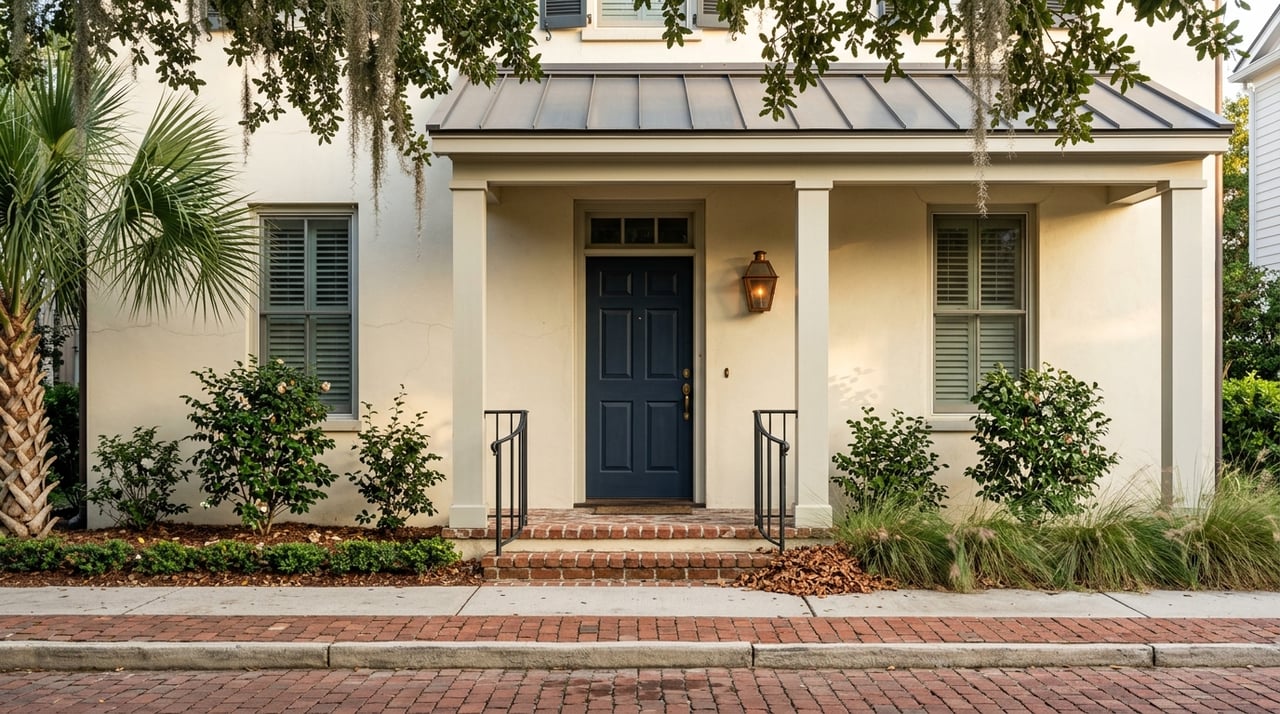
Some buyers are drawn to Savannah for a more residential version of historic living. The city archive describes Ardsley Park-Chatham Crescent as a highly intact residential area developed beginning in 1910, with a regular grid, landscaped squares, crescent-shaped avenues, and predominantly one- and two-story single-family homes. It also notes nearby landmarks such as Daffin Park and Grayson Stadium.
That description points to something important about Savannah. You are not choosing only between downtown and the suburbs. You can also find established in-town residential pockets that offer a strong neighborhood identity and a different pace from the busier mixed-use core.
Tools for comparing areas
If you are trying to narrow down where to live, the City of Savannah’s Open Neighborhoods map is a useful local planning tool. The city says the map helps residents look up neighborhood organizations, parks, bikeways, community centers, grocery stores, libraries, CAT bus stops, and schools, and that it is updated annually.
For a buyer, that kind of resource can help turn a broad city search into a more practical block-by-block decision. It is especially helpful if you are relocating and need to compare convenience, amenities, and daily patterns across several areas.
Coastal access expands the lifestyle
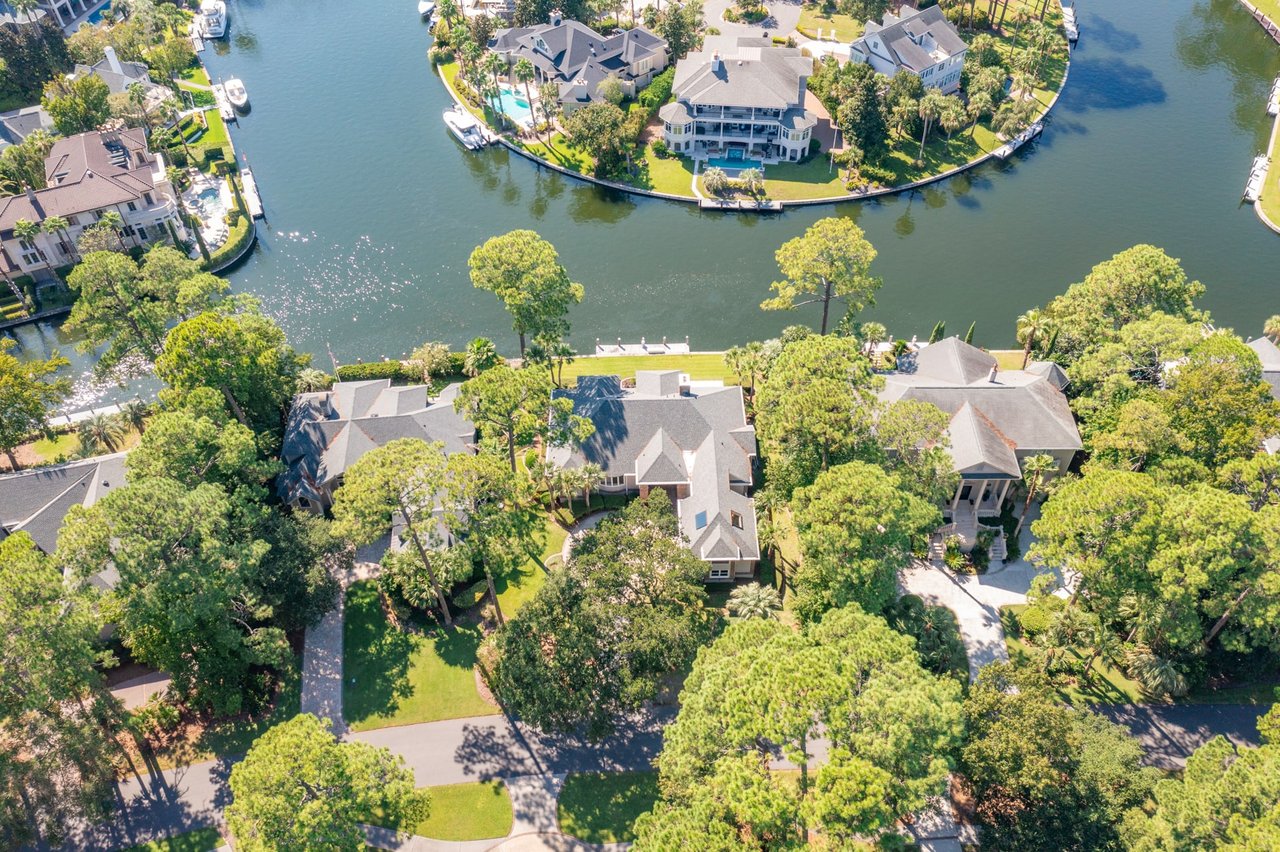
Savannah is not just about downtown streets and historic homes. Part of the appeal is how close you are to coastal settings, island areas, and waterfront culture. That opens the door to a broader lifestyle than you might expect from a historic city alone.
If you like boating, scenic drives, beach time, or a slower pace outside the urban core, Savannah gives you nearby options. For many buyers, that balance is a big reason the area feels so livable long term.
Islands and waterfront areas nearby
Visit Savannah places the Moon River District about 20 minutes south of downtown and says it includes Isle of Hope, Skidaway Island, Ossabaw Island, and Sandfly. The area is framed as a mix of nature, history, and coast. That can appeal to buyers who want a setting that feels more relaxed and less urban while staying tied to Savannah.
Visit Savannah also highlights Thunderbolt and Wilmington Island for boating culture, waterfront views, fresh seafood, and a laid-back pace. Tybee Island adds another dimension, with five beaches located just minutes from downtown Savannah.
This means your Savannah lifestyle can be more flexible than many first-time buyers expect. You can enjoy a city-centered routine and still have quick access to water, islands, and beach-town experiences.
Climate shapes everyday routines
Weather is part of the Savannah lifestyle, so it is worth considering honestly. NOAA climate normals for Savannah International Airport show an average July high of 92.3°F. In January, the average high is 61.4°F and the average low is 40.0°F.
In practical terms, that supports an outdoor lifestyle for much of the year. At the same time, summer heat is real and will shape how you plan walks, errands, and outdoor time. If you love warm weather and want a place where parks, patios, and waterfront outings can be part of regular life, Savannah fits that pattern well.
Who tends to love living in Savannah
Savannah tends to appeal to buyers who want more than one lifestyle feature in the same place. You might be drawn to the city if you want walkability, history, arts, dining, and coastal access without giving up neighborhood character. It can also work well if you are deciding between an urban setting, a more traditional residential area, or an island-adjacent pace.
The key is finding the right fit within the city and surrounding areas. Savannah is not one experience. It is a collection of distinct living environments tied together by history, green space, and proximity to the coast.
If you are weighing a move, it helps to think beyond the postcard version of the city. Focus on how you want your mornings, weekends, commute patterns, and downtime to feel. That is usually where the right answer becomes clear.
If you are exploring Savannah or comparing it with other coastal markets, Kim McElman can help you narrow in on the right neighborhood, lifestyle, and property fit with a thoughtful, hands-on approach.
FAQs
What is daily life like in Savannah, Georgia?
- Daily life in Savannah often centers on walkable streets, public squares, parks, local dining, arts venues, and easy access to nearby waterfront and island areas.
Is Savannah, Georgia a walkable city?
- Downtown Savannah is notably walkable, and the City of Savannah says pedestrians can get around the area with ease by walking.
What are the main neighborhoods to know in Savannah?
- Key areas often include the Historic Landmark District, Victorian District, Starland, Midtown, and established residential pockets such as Ardsley Park-Chatham Crescent.
Does Savannah, Georgia have good parks and green space?
- Yes. Savannah is known for its historic squares, and major green spaces include Forsyth Park and Daffin Park, both of which offer popular walking routes.
How close are beaches and islands to Savannah?
- Savannah has quick access to coastal areas including Tybee Island, Wilmington Island, Thunderbolt, and the Moon River District, giving residents nearby options for beach and waterfront time.
Is Savannah a good fit for relocation buyers?
- Savannah can be a strong fit if you want a mix of historic character, varied neighborhood options, cultural amenities, and coastal access in one market.