Are you dreaming about a place where history, water, and everyday life all seem to flow together? Charleston offers that rare mix of coastal beauty and lived-in character, which is why so many buyers are drawn to its version of Lowcountry living. If you are considering a move, a second home, or an investment in Charleston, this guide will help you understand what daily life here really feels like. Let’s dive in.
What Lowcountry Living Means in Charleston
Lowcountry living in Charleston starts with water. The city sits on Charleston Harbor at the meeting point of the Ashley and Cooper Rivers, and that setting shapes everything from the views to the pace of daily routines. Water is not just scenery here. It is part of how you move through the city, spend weekends, and experience the seasons.
Charleston also carries a deep sense of history. Founded in 1670, the city includes the Charleston Historic District, which is recognized as a National Historic Landmark District. In many parts of the city, that history is not frozen in time. It is actively protected through preservation review for new construction and exterior changes in historic districts.
For you as a buyer, that means Charleston offers more than a home search. It offers a lifestyle shaped by architecture, public spaces, waterfront access, and a strong connection to place.
Historic Character Shapes Daily Life
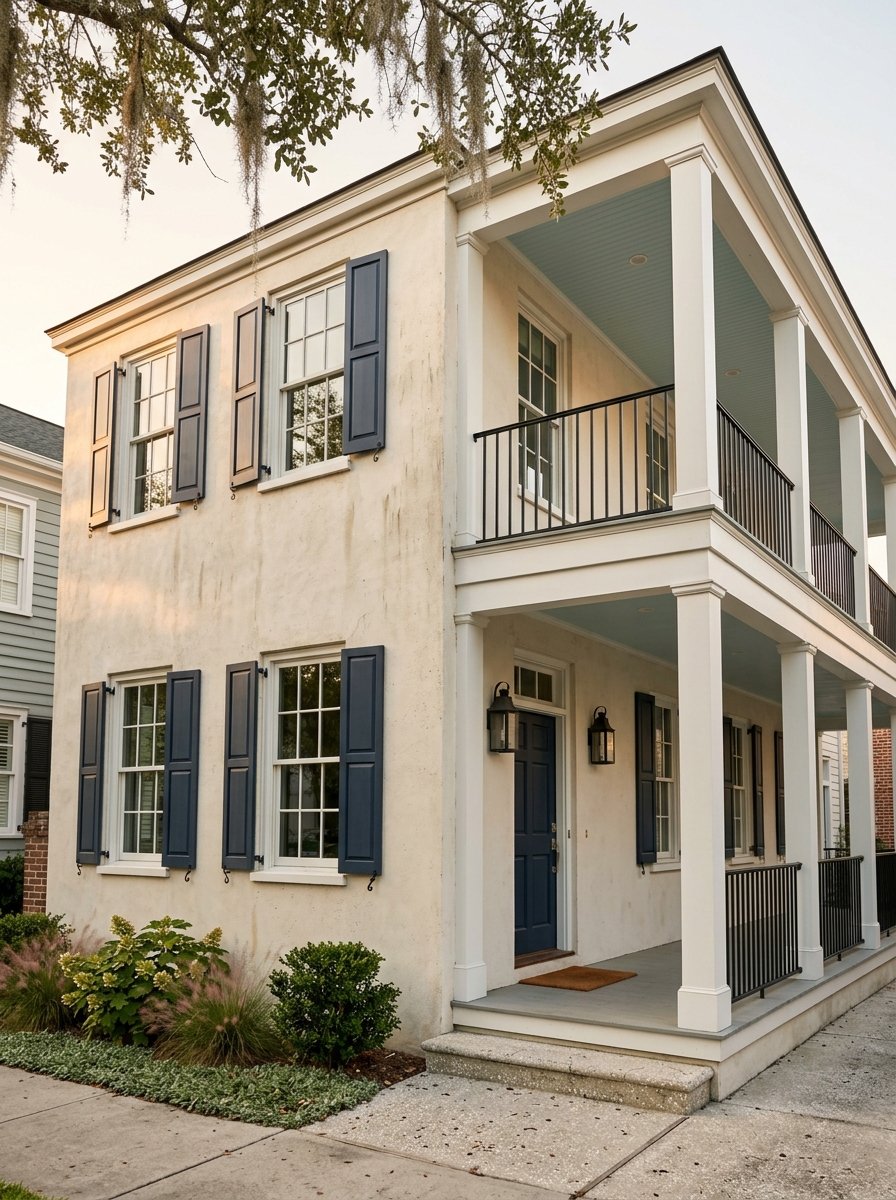
One of Charleston’s most recognizable home styles is the Charleston single house. This design features a narrow street-facing profile and side piazzas, which helped homes catch breezes and create privacy in the city’s warm, humid climate. Today, that design still helps define the look and feel of many peninsula blocks.
If you picture daily life in historic Charleston, think porches, gardens, narrow streets, and homes that reflect centuries of design tradition. In preservation areas, exterior changes are reviewed, which helps maintain the city’s historic character over time. For many homeowners, that sense of continuity is part of the appeal.
Charleston’s public spaces reinforce that same feeling. Waterfront Park provides an eight-acre linear park and pier along the harbor, while spaces like DeReef Park offer nearby green space for residents. Larger projects such as the Peninsula Plan and the Lowcountry Lowline also show how the city is thinking about mobility, resilience, and neighborhood connections.
Waterfront Living Is Part of the Routine
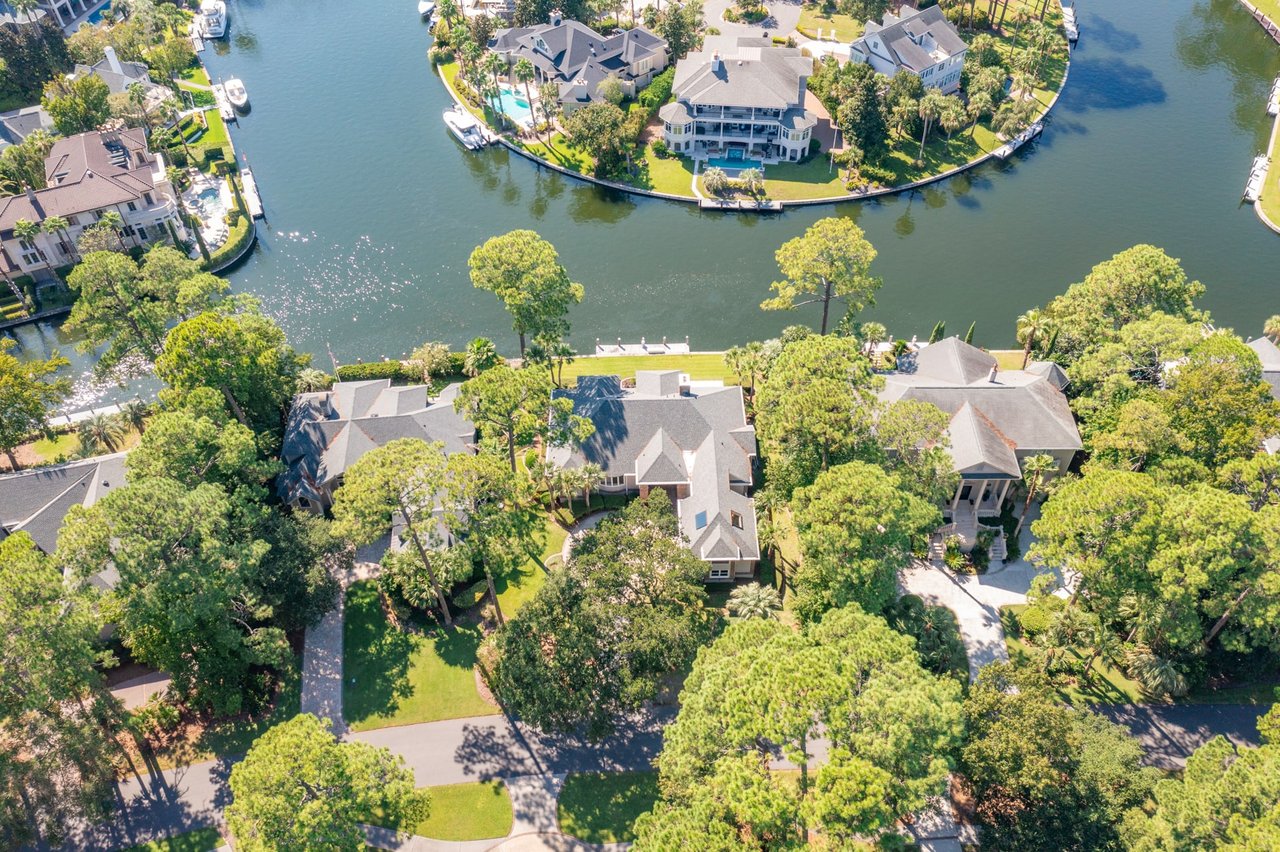
In Charleston, access to water often feels woven into ordinary life. From the maritime center to waterfront parks and James Island shoreline spaces, the city’s layout makes it easy to stay connected to rivers, marshes, and the harbor. That coastal setting gives everyday errands and downtime a different rhythm.
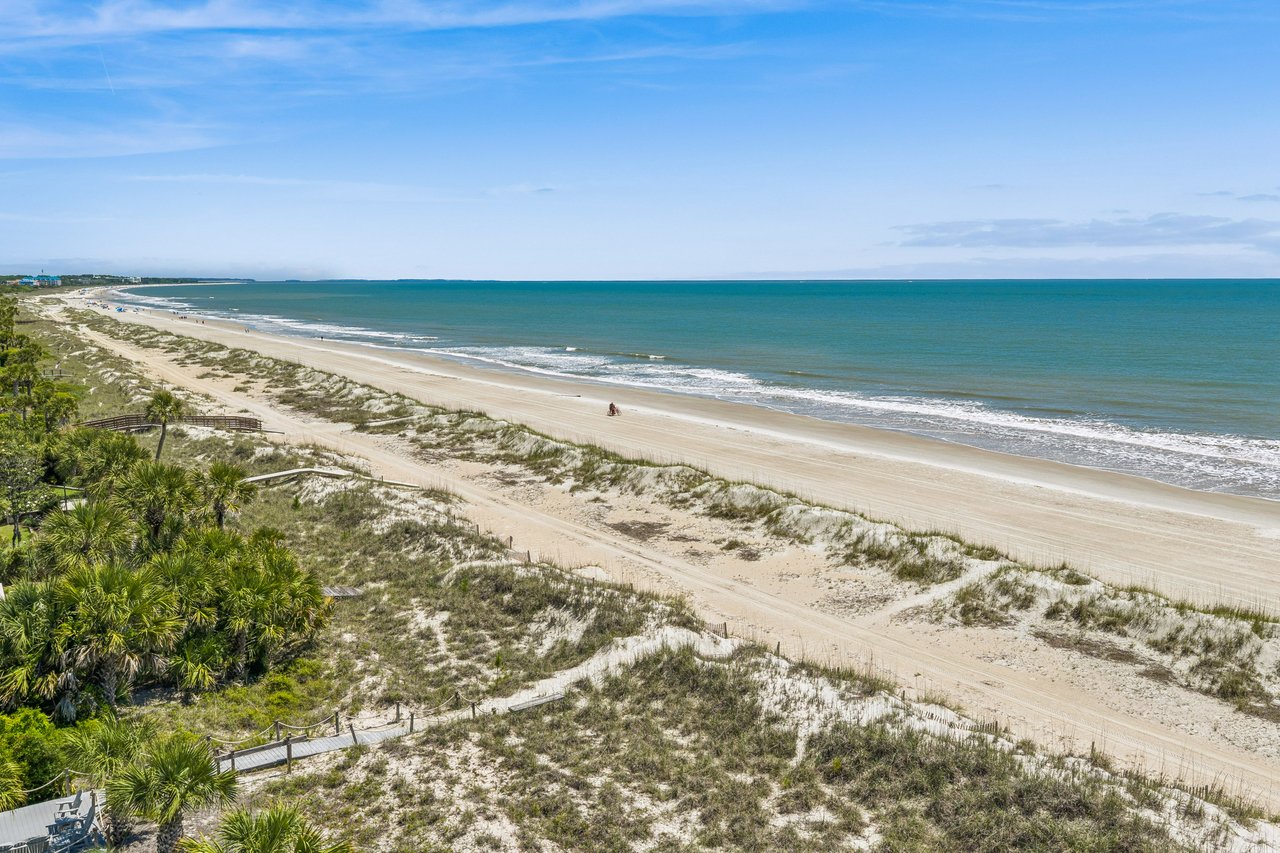
Beach access is another major part of the Charleston lifestyle. Charleston County Parks operates three major beach parks: Kiawah Beachwalker Park, Folly Beach County Park, and Isle of Palms County Park. These parks provide public Atlantic access along with practical amenities like picnic areas, restrooms, and seasonal services.
Each beach community brings a slightly different experience. Sullivan’s Island has 3.5 miles of Atlantic beachfront. Folly Beach is a six-mile beach community with public walkovers at every block, while Isle of Palms manages beach parking through its Beach Parking District. Kiawah’s official beach plan notes that Beachwalker County Park is the island’s only full and complete public access point.
Beach Access Comes With Planning
One of the most useful things to know is that beach access in the Charleston area is plentiful, but it is also managed. County parks note that beaches are typically quieter on weekdays from spring break through September, while weekends and holidays are busier and summer parking can fill early. If you plan to make beach time part of your routine, timing matters.
Charleston’s coastal lifestyle also comes with practical rules and safety considerations. Folly Beach notes that rip currents are common, and surfing is regulated in certain areas and seasons. The city also offers ADA-compliant beach access points at places including the county pier area and The Washout, which helps show how public shoreline use is structured in real life.
Food Culture Is Part of the Lifestyle
Charleston’s food scene is not just a bonus. It is one of the clearest expressions of the city’s identity. Local tourism sources describe Charleston cuisine as a blend of seafaring and agrarian cultures, with seafood, shellfish, oyster bars, and local produce playing central roles.
For you, that means dining out can feel less like an occasional event and more like part of the weekly rhythm. Oyster bars, seafood counters, rooftop dining, and harbor-view restaurants all help shape how people gather and socialize. In many parts of Charleston, especially the peninsula core and waterfront corridors, meals out are tied closely to the setting.
That also adds value to the broader Lowcountry lifestyle. When a city’s food culture is this established, it supports not only entertainment and tourism but also a sense of place that many buyers want in a full-time or second-home market.
Charleston’s Climate Supports Outdoor Living
Charleston’s weather makes year-round outdoor living possible for much of the year. NOAA climate normals for Charleston City show an annual mean temperature of 67.2 degrees, with an average daily high of 73.3 degrees and an average daily low of 61.1 degrees. Annual precipitation averages 44.26 inches.
Winter is generally mild, with January averaging 58.0 degrees for the high and 43.6 degrees for the low. Summer is much warmer, with July averaging 87.5 degrees for the high and 77.1 degrees for the low. That climate helps explain why porches, parks, and waterfront spaces play such a big role in daily life.
At the same time, summer comfort often depends on shade, air conditioning, and proximity to the water. If you are comparing Charleston with inland markets, this seasonal pattern is important to understand because it shapes everything from home design to how you use outdoor space.
Flooding and Storm Readiness Matter
Living in a coastal city means enjoying the scenery while respecting the realities that come with it. In Charleston, flood awareness is part of local life. The city’s flood-zone materials note that Special Flood Hazard Areas are lands with a 1 percent or greater annual chance of flooding, and local flood mapping identifies tidal creeks, major rivers, and the Atlantic Ocean as flood sources.
Charleston’s TIDE eye tool adds another local detail that matters. High tide can slow stormwater drainage because many city outfalls drain into tidally influenced waters. That means water conditions can affect how certain areas function during heavy rain and tidal events.
Hurricane season also shapes planning. Both NOAA and the City of Charleston note that Atlantic hurricane season begins June 1 and runs through November 30. The city encourages residents to know their evacuation zone, create a communication plan, check insurance, document possessions, build an emergency kit, sign up for alerts, and fuel vehicles before a storm.
What This Means for Buyers
If you are considering a home in Charleston, flood and storm planning should be part of your decision-making process from the beginning. That does not mean avoiding coastal property. It means understanding the location, access, and preparation needs that come with waterfront and low-lying areas.
This is where local guidance can make a real difference. A knowledgeable real estate advisor can help you think through not just the home itself, but also how the property fits your lifestyle, comfort level, and long-term plans in a coastal market.
Getting Around Charleston
Charleston offers a mix of walkable pockets, connected neighborhoods, and major corridors linked by bridges. Some areas support an easy walk-to routine, while others depend more on driving or planning around traffic patterns. For many residents, the city feels less like one single center and more like a network of lifestyle hubs.
CARTA provides regular service in downtown, West Ashley, Mount Pleasant, James Island, and other nearby areas. The system also includes free downtown DASH routes, a Downtown Connector, and a seasonal Beach Reach Shuttle. Those options add flexibility, especially if you want alternatives for commuting, events, or beach outings.
The city is also investing in bicycle and pedestrian connections. Charleston’s bicycle and pedestrian plan aims for every residence to be within a half-mile of a dedicated bike or bike-ped facility. The West Ashley Greenway and the future Lowline corridor on the peninsula support the idea that exercise, errands, and recreation often overlap in Charleston life.
Why Charleston Appeals to So Many Buyers
Charleston stands out because it offers more than one version of Lowcountry living. You can find historic urban character, beach access, waterfront recreation, established dining culture, and connected neighborhood centers all within the same broader market. That range appeals to primary residents, second-home buyers, relocators, and many people looking for a lifestyle-first move.
For some buyers, the draw is the architecture and harbor setting. For others, it is the ability to spend a morning downtown, an afternoon near the water, and an evening at a favorite local restaurant. Charleston gives you a setting where those experiences can feel naturally connected.
If you are searching for a home here, it helps to work with someone who understands not just listings, but how different areas of the Lowcountry actually live. When your goals include lifestyle, long-term fit, and local nuance, the right guidance matters. If you are ready to explore Charleston and the broader coastal market, connect with Kim McElman for knowledgeable, personal guidance.
FAQs
What makes Lowcountry living in Charleston unique?
- Charleston combines a historic urban core, strong waterfront identity, beach access, public green spaces, and a year-round outdoor lifestyle shaped by its coastal setting.
What is the Charleston single house in Charleston, South Carolina?
- The Charleston single house is a traditional local home style with a narrow street-facing shape and side piazzas designed to capture breezes and provide privacy in a warm climate.
What should homebuyers know about beaches near Charleston?
- Buyers should know that public beach access is widely available through county parks and local beach communities, but parking, access points, safety rules, and seasonal crowds all affect how you use the shoreline.
What is the weather like in Charleston, South Carolina?
- Charleston has a warm, humid coastal climate with an annual mean temperature of 67.2 degrees, mild winters, hot summers, and year-round potential for outdoor living.
What flood and hurricane factors matter in Charleston real estate?
- Buyers should understand flood zones, tidal drainage impacts, evacuation planning, insurance considerations, and hurricane season timing when evaluating property in Charleston.
How do you get around Charleston, South Carolina?
- Getting around Charleston often involves a mix of walking in select areas, driving across neighborhood corridors and bridges, using CARTA transit, and taking advantage of bike and pedestrian routes where available.